The first tones before the processional are often remembered longer than the flower decoration or the menu card. The question «Classic or pop for the wedding?» That’s why it’s not just about the style of music, but also about the atmosphere of the moment when two people say yes to each other. Can it be the timeless dignity of a Bach prelude, a gently arranged favorite ballad or both? The most beautiful answer is rarely an either-or.
Classic or pop for the wedding: not the question of style alone
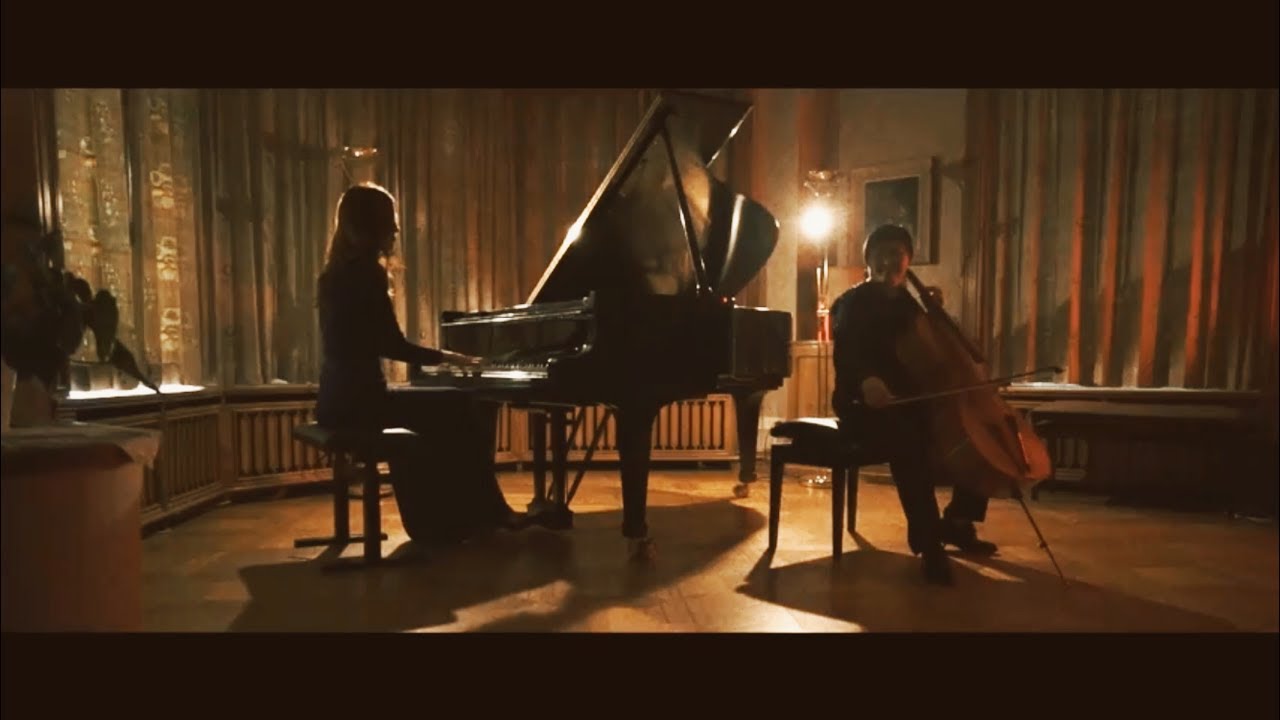
Classical music gives a wedding ceremony peace, depth and a solemn setting. She doesn’t look up, but of course festive. A cellosolo can fill a room with warm, human timbre; The piano gives it structure, width and elegance. straight at church weddings, historical locations, castles or stylishly staged secular ceremonies, classical music often blends wonderfully into the overall picture.
Pop music, on the other hand, tells more directly about a life together. Perhaps a song will accompany the couple since the first holidays, getting to know each other or a very specific evening. This personal level can make a ceremony touching without the need for many words. However, the interpretation is decisive: an original song from the playlist does not automatically work in a solemn context. Played live for piano and cello, a well-known pop song also receives a new, elegant language.
The choice therefore depends less on whether you are «classic people» or rather listen to pop. It depends on what mood you want to create and what story the music is supposed to tell at this moment.
The entry: the moment is allowed to grow
When you move in, you set the emotional first accent. Classic works are particularly strong here if they wish a generous, dignified start. A clear, flowing piano part and the warm cello give the walk forward a natural dramaturgy. The music carries without distracting.
A pop ballad can be just as suitable when you move in, especially if it has a real meaning for you as a couple. In a high-quality live arrangement, it doesn’t look like background music from the radio, but like your personal soundtrack in a festive form. Slow songs with a clear melody are usually better suited than strongly rhythmic titles. The guests should feel the moment, not wait for the next beat.
The length also deserves attention. A processional takes different lengths depending on the location, the route and the number of participants. Professional musicians can make a piece live flexibly, install repetitions or put the ending up when they have arrived at the front. This is a quiet detail that makes the entire process look confident.
When several people move in
Move in the bride and groom separately, parents accompany the bride or groomsmen and children before, music can form several chapters. A quiet classic piece to start with and a personal pop ballad for the last move create a nice arc of suspense. The change does not have to be dramatic. What matters is that both titles fit together in terms of sound and emotional.
Ring exchange and signature: Less is often more valuable
During the ring swap, music is needed that allows for closeness. Well-known melodies can work, but they shouldn’t be too dominant. The words of the ceremony, the looks and the small breaks belong to this moment as well as the music.
An instrumental work is often convincing here – classic, cinematic or as a subtle pop adaptation. Piano and cello can indicate a song without putting it in the foreground. The couple recognizes their melody, the guests experience a harmonious, elegant accompaniment. This creates a fine balance between intimacy and a festive splendor, especially in symbolic wedding ceremonies, which are personally spoken and individually designed.
For the signature, the music may flow a little easier. At this point, many couples choose a piece that sounds friendly and bright without overloading the process. The decision doesn’t have to be spectacular. It is supposed to keep the space together while all eyes are on the important gestures.
The recessional: Now the joy can be heard
After the exchange of vows, the energy in the room changes. The recessional is the moment for departure, relief and joy. Classical music can shine here and have a dance, for example with a lively movement or a well-known festive melody. It fits perfectly when the entire celebration has an elegant, traditional character.
POP offers a lot of space for personality when you move out. An optimistic song arranged live for piano and cello can make the guests smile spontaneously and accompany the first congratulations with ease. Rock, jazz or film music melodies can also look surprisingly good in a stylish version. It’s not about being as original as possible. The point is that the music expresses its joy believably.
The location gives an important clue
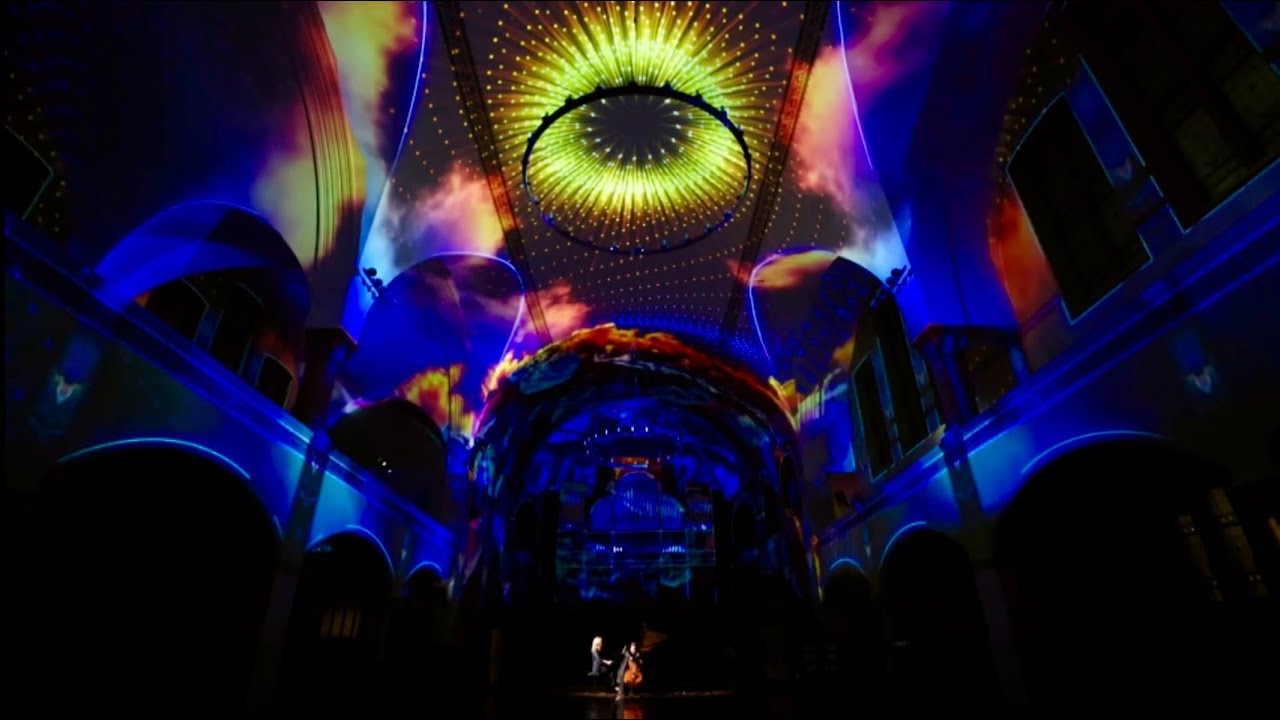
In a church, classical music unfolds a special power through acoustics, architecture and ritual. That doesn’t mean pop is out of the question. Many modern songs are extremely suitable as instrumental editing. However, it is worthwhile to clarify early on which musical wishes are allowed on site and whether there are liturgical specifications.
With a secular wedding ceremony in the garden, in a villa, a hotel or a mountain location, the possibilities are usually more open. Here a program of classical, pop and selected film melodies can be particularly coherent. An intimate place tolerates delicate arrangements; A spacious terrace or a large hall often requires more sonic presence. a duo out piano and cello Combine transparency with enough expressiveness without overrunning a ceremony acoustically.
The season also plays in. In summer, airy, bright pieces in the open air work wonderfully. At a winter wedding, sounds can be warmer, denser and a little more solemn. Such nuances turn a musical selection into a well thought-out experience.
Personal does not mean arbitrary
Many couples have a long List of favorite songs. This is a valuable starting point, but not yet a finished ceremonial program. Check for each title: Does the text match the wedding ceremony? Is the melody also immediately touching instrumentally? Does the pace support the respective process? And does the song sound natural in the chosen line-up?
Not every song that is great in the original has the same effect live. Some songs live on voice, production or beat. Others win amazing when their melody is reduced to cello and piano. It is precisely this transformation that makes high-quality live music so special: a familiar title remains personal, but appears in a form that does justice to the occasion.
Swissduo Pianocello designs such arrangements with classic precision and a keen sense of the character of your celebration. In this way, a program can be created that does not have to mediate between genres, but sounds as if from one piece.
A red thread instead of three individual wishes
Three carefully chosen musical moments are often sufficient for a wedding ceremony: the processional, ring swapping or signature and the recessional. These three pieces may show different facets, but should have a common atmosphere. If you rely on great classic elegance when you move in, you can definitely choose a personal pop melody during the recessional. The connecting factor then lies in the arrangement, in the cast and in the way the music is played.
It is helpful to first write down three terms for your desired mood. Maybe it’s «warm, solemn, hopeful» or «modern, intimate, full of life». Only then do you select titles. This way prevents the music from becoming a random collection and makes decisions much easier.
A good wedding music does not have to be particularly traditional or particularly trendy. She should aptly reflect both of them in that moment – with elegance, emotion and just the right dose of personality.