The moment before the vows is often quieter than anything that follows. A door opens, the guests rise, eyes become moist – and it is precisely in these seconds that music determines whether a wedding is simply beautiful or deeply moving. Classical live music at a wedding is therefore not merely an item on the program, but an atmospheric framework that enhances the entire day.
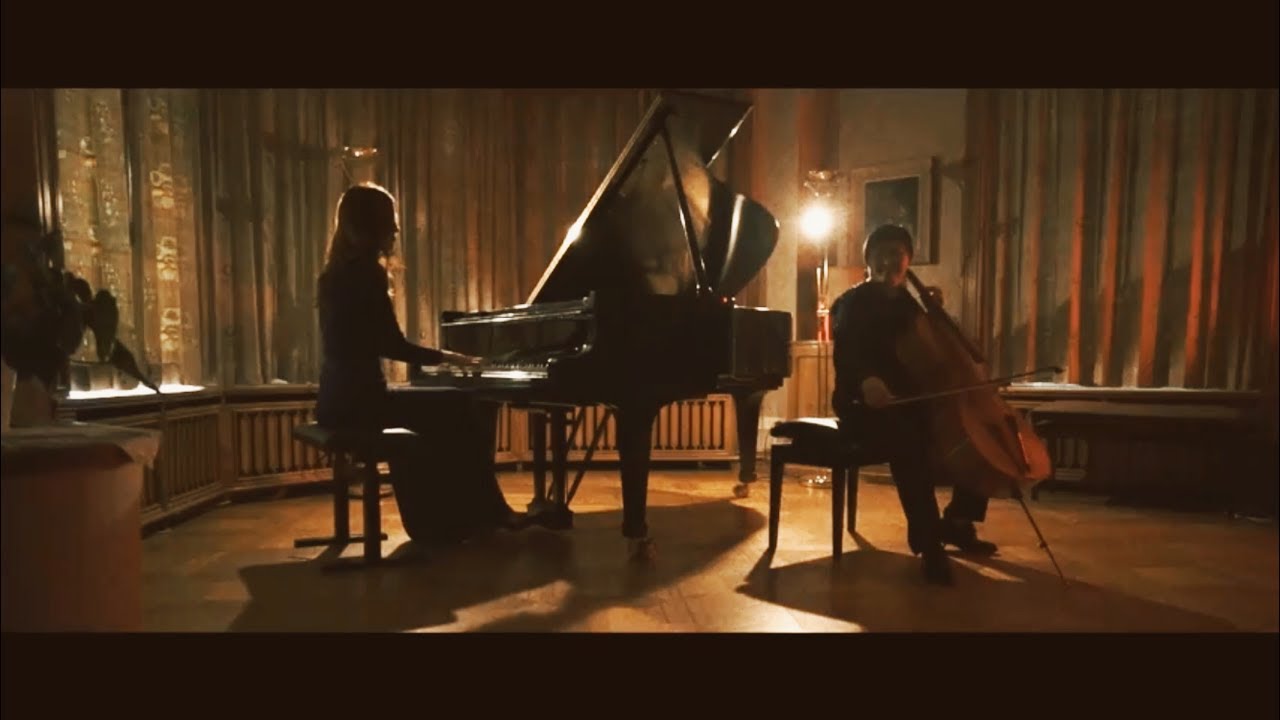
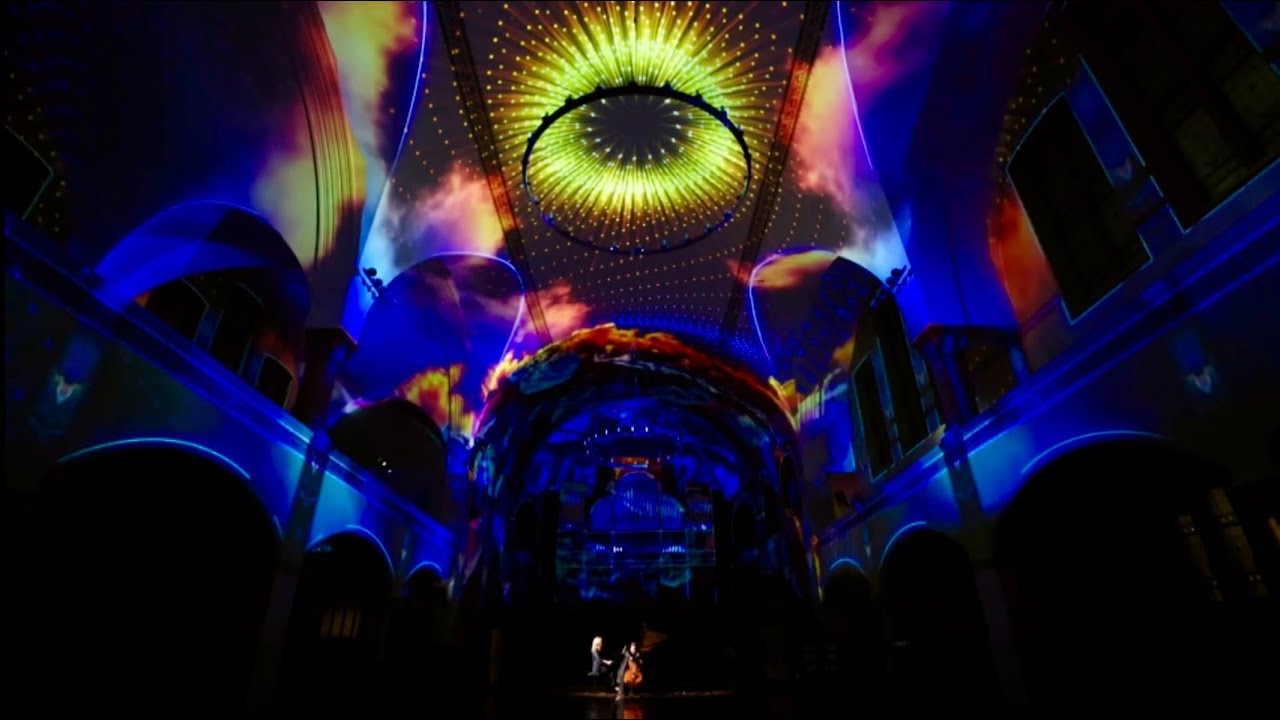
Especially at stylish celebrations in Switzerland, it quickly becomes apparent how dramatically live music transforms a room. A piano and a cello create a presence without being intrusive. They lend dignity to the ceremony, lightness to the aperitif, and an elegance to the festive part of the day that cannot be decorated, but must be heard and felt.
Why classical live music makes such a difference at a wedding
A playlist can play familiar tracks. Live music, on the other hand, breathes with the moment. It reacts to the arrival of the guests, to slight delays, to emotions, and to the dynamics between the couple, the guests, and the venue. This is precisely the difference between musical accompaniment and a true performance.
Classical ensembles also have a particularly elegant appeal because their sound has been associated with celebration, culture, and style for decades. However, this doesn’t mean that classical live music is only suitable for purely traditional weddings. On the contrary, modern couples especially appreciate the combination of classical sound aesthetics and familiar melodies from pop, film, or jazz in a high-quality arrangement.
Those planning a sophisticated wedding rarely seek loud music. They seek atmosphere. Music should uplift, refine, and open emotions. An excellently played piano and cello duo fulfills precisely this role – romantic, tasteful, and flexible enough to accommodate the different moods throughout the day.
Classical live music at a wedding – where it has the greatest impact
The effect is most noticeable during the wedding ceremony.. The bride’s entranceThe exchange of rings, a personal interlude, and the exit are given an intensity through live music that is hardly achievable on a recording. Tempo, volume, and expression can be tailored to the sequence of events. This sounds calmer, more natural, and significantly more sophisticated.
Classical live music also shines during aperitifs. Here, there’s no need for bombastic drama, but rather an elegant, understated presence. The music accompanies conversations, lends class to the reception, and creates a luxurious, relaxed atmosphere. Especially in exclusive locations such as gardens, hotels, villas, or historic halls, this creates a stylistically compelling overall impression.
Much depends on the occasion’s atmosphere during dinner. Some couples prefer subtle background music, while others favor occasional musical interludes between courses. Both can work beautifully. The crucial point is that the music complements the evening and doesn’t compete with it.
Which cast of musicians suits which wedding style?
Not every wedding needs the same format. A duo with piano and cello This is one of the most elegant solutions because it offers both tonal warmth and harmonic richness. This ensemble sounds festive, feminine, sophisticated, and yet approachable. It is particularly well-suited to church weddings, civil ceremonies, castle weddings, and stylish celebrations with high standards.
A trio or quartet can be a good choice if the room is larger or if a fuller sound is desired. This applies, for example, to spacious reception halls, larger parties, or weddings with a particularly prestigious character. At the same time, more isn’t always better. In intimate settings, a smaller ensemble can often be the more refined choice because it allows for a sense of closeness and doesn’t overwhelm the occasion.
The location also plays a role. In a small chapel, a duo is often perfectly sufficient. On a terrace with a large garden, a larger ensemble might be necessary. Good advice therefore considers not only budget and taste, but also acoustics, available space, and the daily schedule.
The repertoire: classical does not mean rigid
Many couples, when they think of classical wedding music, immediately think of well-known works by Bach, Schubert, Pachelbel, or Mendelssohn. These pieces have their place—and for good reason. They possess a certain dignity without seeming artificial, and they give structure to celebratory moments.
At the same time, a classical live music wedding doesn’t have to sound like a museum piece these days. It becomes especially appealing when classical quality meets personal favorite music. A song that connects the couple can suddenly gain a whole new depth in a stylish arrangement for piano and cello. Pop ballads, film melodies, or gentle jazz standards can be translated into an elegant setting without losing their recognizability.
This is precisely where routine event music diverges from first-class artistic work. Not every piece is suitable for every ensemble, and not every arrangement feels truly stylish at a wedding. A professional ensemble doesn’t simply curate a list, but rather considers the musical and dramatic aspects. The result is a program that sounds personal yet remains consistently high-quality.
Which pieces work particularly well?
For the entrance, melodic, tranquil pieces with a clear crescendo are suitable. During the exchange of rings or a blessing, the music can be more intimate and understated. For the exit, bright, festive pieces with a sense of new beginnings and brilliance are appropriate. For the reception, familiar melodies in a light, elegant interpretation are often ideal because they create atmosphere without demanding attention.
So it’s not just about what you like, but also when a piece is played. A beautiful song can be too heavy, too prominent, or too sentimental at the wrong moment. Good planning makes all the difference.
What bridal couples should pay attention to when booking
The most beautiful idea loses its impact if the execution isn’t professional. Especially in the premium segment, not only musical quality counts, but also reliability, experience, and event-specific sensitivity. Therefore, anyone booking classical live music for a wedding shouldn’t just rely on audio samples, but consider the entire package.
First and foremost, experience with weddings is essential. A concert hall and a wedding ceremony are not the same. A wedding requires musical excellence, but also flexibility in the flow, precise communication, and a sure sense of timing. The ensemble must know how to elegantly handle spontaneous changes and maintain the musical framework with composure.
Another point is the stylistic range. Especially at sophisticated celebrations, the music should be able to adapt throughout the day. A purely classical set can… for the ceremony This might be ideal, while for the aperitif, a smooth transition to film, pop, or bossa nova adds a touch of lightness. This versatility is particularly valuable when everything needs to be planned by one person.
Last but not least, visual presence also plays a role. At a wedding, you don’t just hear music – you see it. The charisma of the musicians, their stage presence, and their stagecraft all contribute to the atmosphere. Elegance, therefore, is not only evident in the sound, but in the overall appearance.
How much classical live music does a wedding need?
This is a valid question, as there is no universally ideal amount. Some couples only want musical accompaniment for the ceremony. Others prefer a consistently stylish live setting from the reception to the dinner. Both can be perfectly fine.
The concept of the celebration is crucial. If the ceremony is the emotional heart of the day, it deserves the most attention. If the occasion also emphasizes hospitality and elegant gatherings, the aperitif also gains musical significance. For long afternoons or early evening celebrations, live music can even become the unifying element, tastefully tying together all parts of the day.
Budget, location, and number of guests naturally play a role. But especially in the upscale sector, live music is often not simply an addition, but rather an integral part of the overall experience. Those who invest in flowers, photography, catering, and the venue quickly realize that the sound should also be of the same high quality.
For whom is classical wedding music particularly suitable?
Classical live music is ideal for couples who want a memorable wedding experience rather than a loud one. It appeals to people who value atmosphere, style, and emotional authenticity. It works particularly well at solemn ceremonies, in architecturally beautiful venues, and at events where aesthetics are meant to be evident in every detail.
This doesn’t mean it’s only suitable for traditional celebrations. Modern, urban, or international weddings also benefit from classical live music when it’s thoughtfully curated. It’s precisely this combination of excellence and individuality that makes it so appealing. SwissDuo PianoCello represents a form of musical accompaniment that combines the highest quality with emotional connection and stylish versatility.
In the end, we rarely remember every single detail of a wedding. What remains is a feeling. When music conveys that feeling, it enhances not just a moment, but the memory of the entire day.