The doors open, the first notes sound and for a moment everything seems to stand still. Planning live music for a wedding ceremony helps turn those individual moments into a coherent sequence that reflects your story without distracting from it.
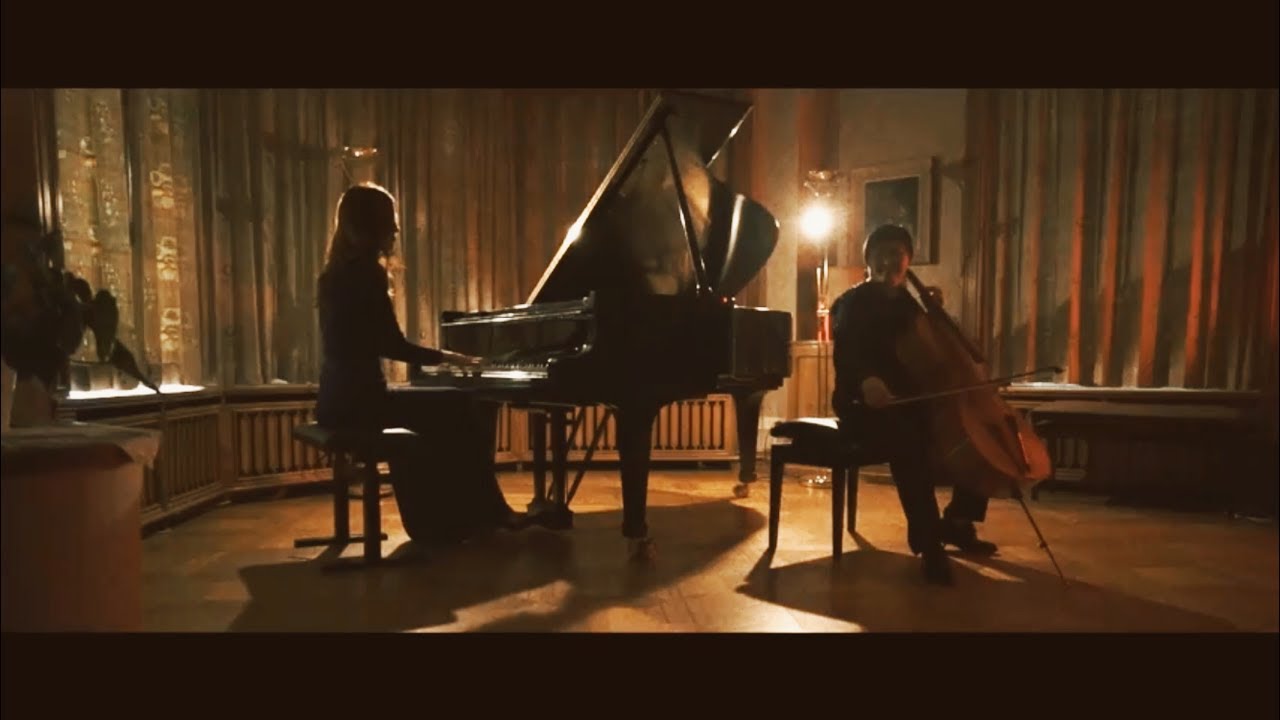
A duo of piano and cello combines a festive presence with fine restraint. The piano creates sophistication and elegance, the cello gives well-known melodies warmth, depth and an unmistakably human voice. Whether classic, modern, cinematic or discreetly jazzy: the title of a song is not only decisive, but the moment when it sounds.
Planning wedding ceremony music with a live duo
A wedding ceremony does not need a long playlist. Three to five carefully chosen pieces can provide a musical framework: for the arrival of guests, the processional, a reading or ritual, the signing and the recessional.
First plan the process with your wedding speaker, your wedding speaker or the civil registry office. Only then does it become visible how much music actually has space. With a secular wedding ceremony, musical transitions can often be made more generous. in a Church Ceremony Liturgy, acoustics and possible church specifications play a stronger role. In a civil wedding, on the other hand, the time windows are usually more compact – that’s why a precisely chosen live piece can be particularly impressive.
A professional live duo not only pays attention to the repertoire, but also to missions, duration and dynamism. The music doesn’t just start at some point, but exactly when the room opens, when the bride enters or when, after the exchange of vows, the tension turns into joy.
The processional: a memorable entrance
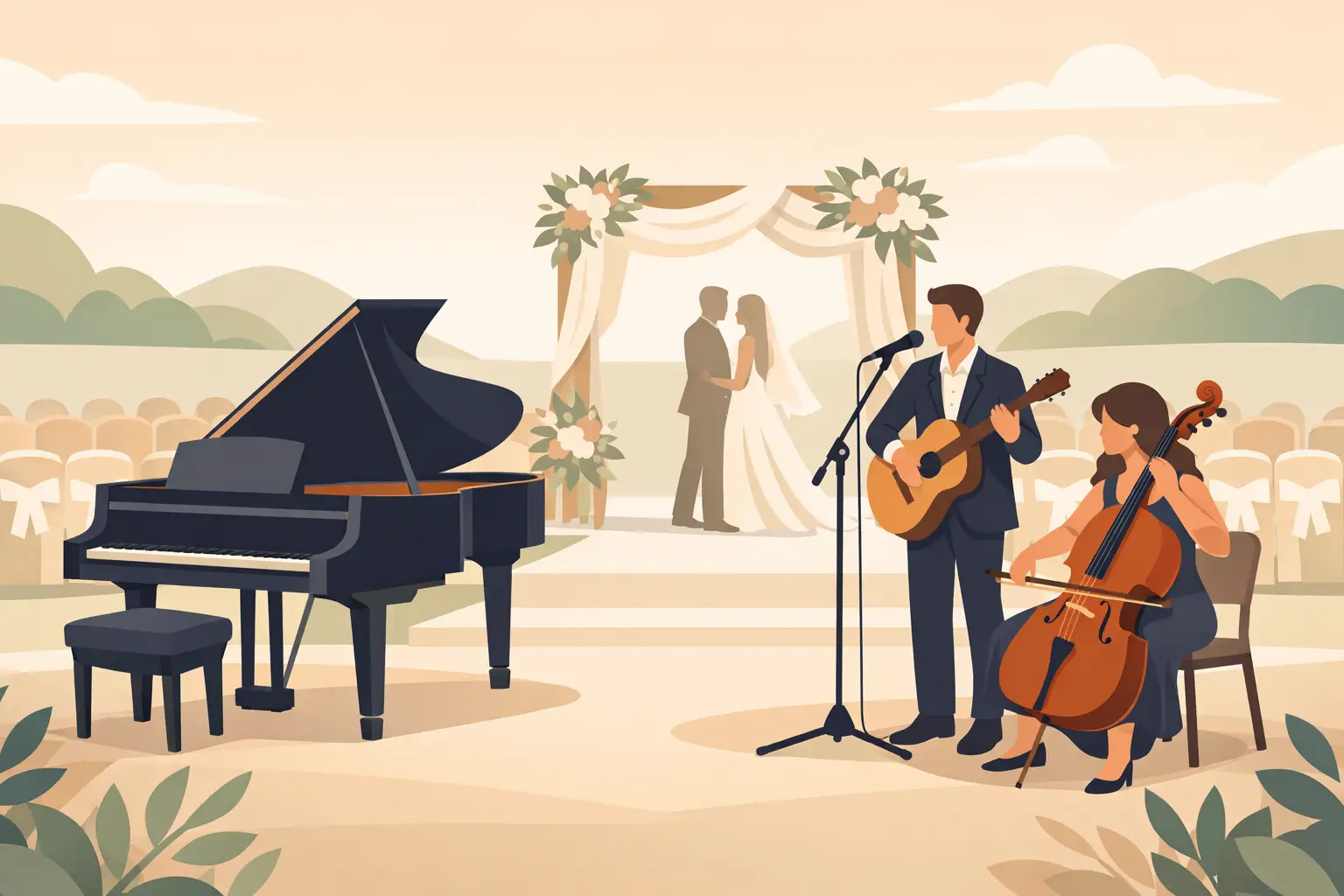
The processional may touch without being heavy. Some couples wish for the timeless calm of a classic work, others more likely to recognize themselves in an elegant pop ballad or a film melody. Both can be appropriate. The question is not: What belongs to a wedding? But: What suits you and this place?
For a long entry across an avenue, through a garden or a nave, the piece needs enough musical space. An arrangement can be extended repeatedly or carefully so that there is no abrupt conclusion. With a short move into the wedding room, on the other hand, a clear, immediately effective start is ideal.
The order also characterizes the dramaturgy. If both partners move in together, a modern, calm gesture is created. If a person comes later, the music can build up a little more excitement. A duo can accompany these nuances live and react to the actual pace – an advantage over a recording that always continues to run.
Music during the ceremony: room for real feelings
After the processional, music can support a reading, a personal ritual, the exchange of rings or the signing. It can give guests a moment to reflect and make the transition between spoken parts feel natural.
Instrumental music is particularly suitable because it does not say words. A delicate cello theme can emotionally deepen a free speech without overlaying its contents. In a symbolic plot, such as a sand ceremony or the lighting of a candle, a calm arrangement helps to draw attention to the essentials.
In this part, choose pieces with a gentle gradient. Very rhythmic titles or big dramatic increases can be wonderful, but need a suitable occasion. If the ceremony already contains many emotional words, musical restraint often acts stronger than another highlight.
The recessional: a joyful close
The recessional brings a change of energy. After the vows, smiles and perhaps applause, music can lead everyone towards the apéro. A festive classical piece or a personal favourite can work beautifully in an arrangement for piano and cello.
The recessional may take longer than expected as the couple pauses to greet guests. Live musicians can repeat a section, extend the piece or bring it to a natural close in response to the moment.
Choose repertoire: personal, but with style
A song doesn’t have to come from a wedding film to fit your wedding perfectly. Perhaps a pop song will remind you of the beginning of your relationship. Perhaps a jazz standard has accompanied them for years. Perhaps you would like Bach because his music fulfills the architecture of your church in a special way. A high-quality arrangement gives well-known melodies the elegance that a ceremony requires.
At the same time, it is worth looking at the effect. Texts that are very present or melancholic in the original are often instrumental in new openness. This can be ideal if you love the melody, but don’t want to focus on sung words. The piano and cello bring together clarity and warmth without turning the occasion into a concert stage.
A good programme balances familiar melodies with contrast. A solemn processional might be followed by a lighter recessional; a modern entrance song might pair well with a timeless piece for the signing. The sequence should feel right for the couple and the setting.
What to discuss with your live music duo
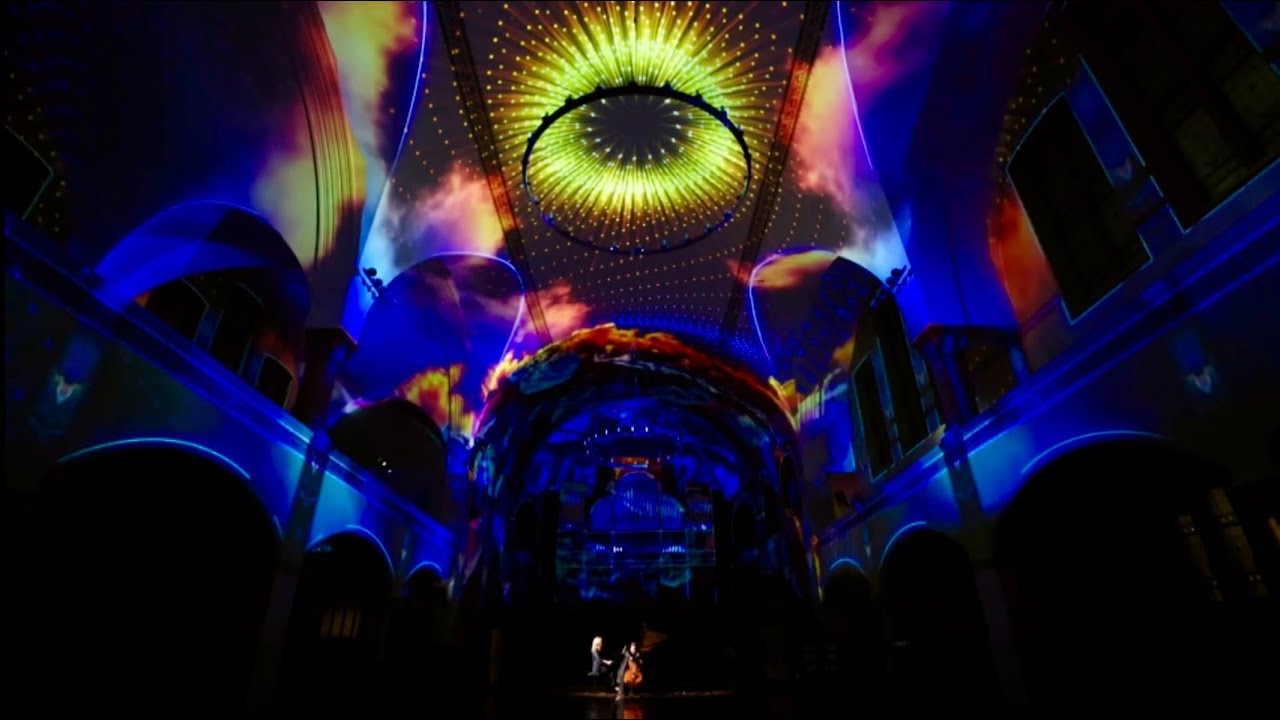
The most beautiful selection of music needs a suitable setting. With the location, clarify early on where the musicians can sit, whether a piano is available and what the acoustic conditions look like. A grand piano in a historic hall creates a different sound effect than a digital piano in a garden location. Both can work excellently if the instrument, line-up and technology are professionally coordinated.
Outdoors, weather, wind and solar radiation play an important role. A covered, dry place not only protects instruments, but also provides musical security. In the case of large societies or extensive places, a subtle reinforcement can make sense. It should not artificially enlarge the sound, but ensure that the back rows also hear the fine cello lines.
Also tell the duo when guests arrive and how the transition to the aperitif is planned. A particularly elegant sequel is often created there: After the ceremony, the duo remains for a stylish musical reception and accompanies the first congratulations with selected classical, pop, jazz or bossa nova arrangements.
When a larger ensemble makes sense
Piano and cello are the ideal cast for many weddings: sonorous, flexible and intimate enough for personal moments. In a small chapel, a civil registry office or an exclusive villa, the duo looks present without dominating the space.
In a large church or spacious outdoor setting, a trio or quartet may offer a fuller sound. A violin can add brightness, while other instruments broaden the choice of repertoire. The right ensemble depends on the venue, guest numbers, budget and the atmosphere you want.
SwissDuo helps couples make these musical choices with care and experience. From the first repertoire idea to the final note of the recessional, the focus remains on your ceremony.
If you’re planning your music, don’t look for the supposedly perfect wedding song. Choose the sounds that will remind you of this one look, the exchange of vows and the feeling of the first step together again years later.