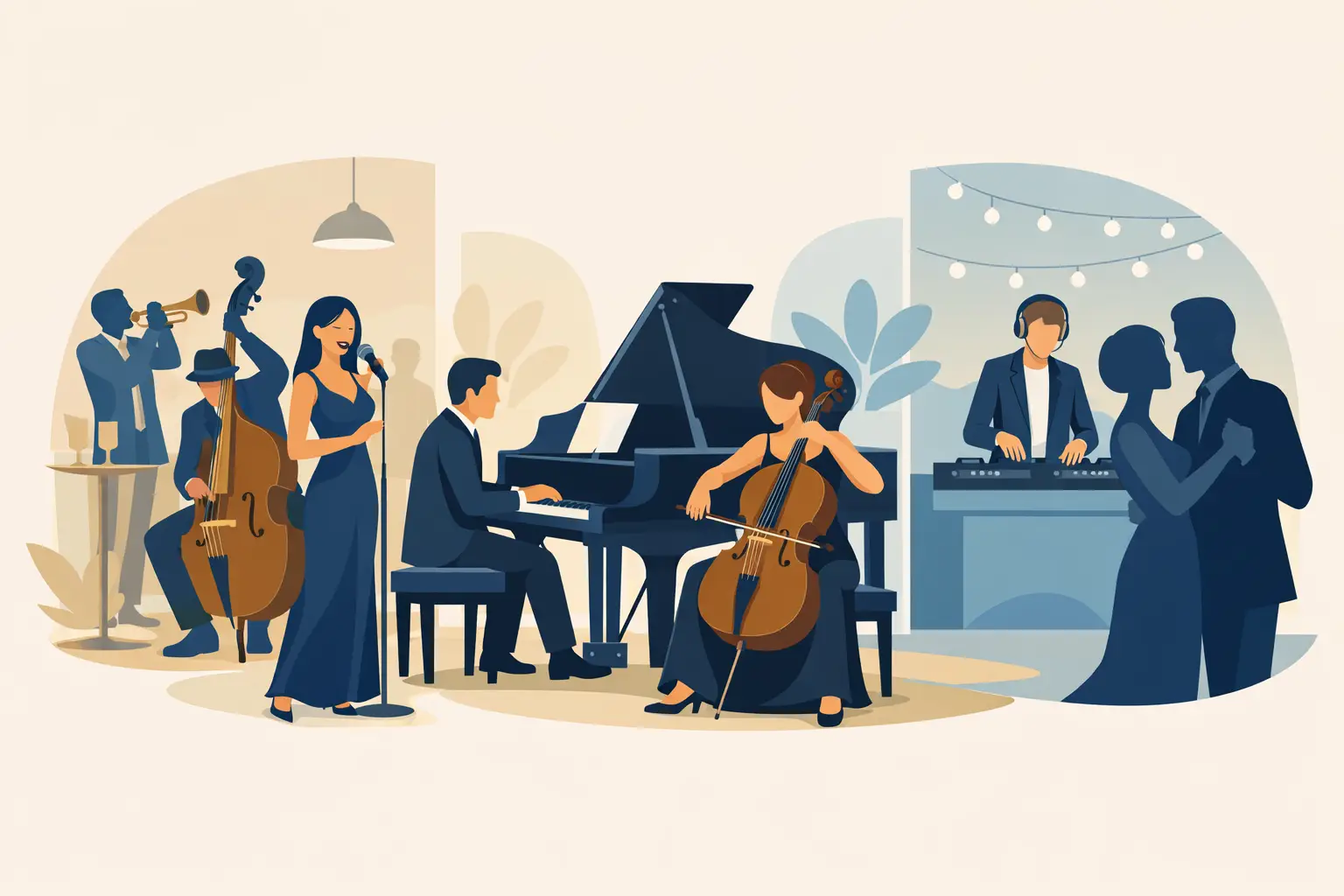
The first sounds often decide more than you think: they lend dignity to a wedding ceremony, turn an aperitif into an elegant reception or give a company event a sense of confidence that guests feel before the first word is spoken. But Which line-up suits the event when the event has its own rooms, guests and expectations? The largest ensemble is not automatically the right choice. What matters is the musical effect you want to create.
Which musical ensemble suits your event?
The ideal formation is created by the interplay of the occasion, the number of guests, the space and the desired dynamic. An intimate dinner calls for a different musical presence than a big gala. During a secular wedding ceremony in the garden, music should touch without overlaying the words. At a cocktail reception the music can be light, refined and conversation-friendly.
A thoughtful ensemble makes the difference between music that is simply present and music that carries the occasion. Not only the number of musicians counts. Tones, volume, repertoire and the transitions in the process also characterize the atmosphere. Especially with high-quality celebrations, restraint often seems more exclusive than an overloaded production.
The duo of piano and cello: elegant and versatile
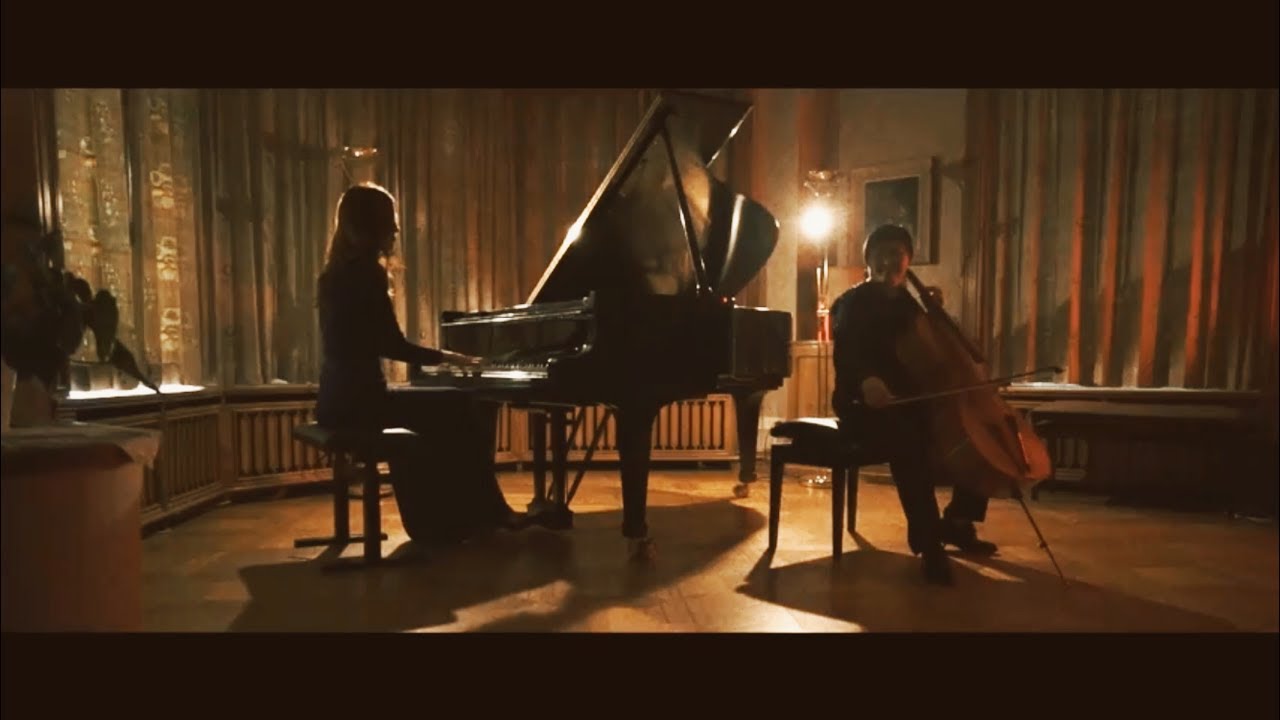
Piano and cello are among the finest formations for stylish events. The piano creates harmony, rhythm and a wide tonal base. The cello adds a warm, human voice – deep, expressive and touching. Together, a full sound is created that is present even without great volume.
This duo is particularly suitable for weddings. The entry gets a festive setting, during the ceremony, sensitive musical accents can be set, and during the recessional, the music can become joyful and radiant. Classical works, soulful film music or personally meaningful pop songs gain a new depth in a high-quality arrangement.
A piano cello duo is also an excellent choice for aperitifs, vernissages, private dinners and small to medium-sized company events. The music accompanies conversations without drawing attention away from your guests. With jazz, bossa nova, chillout, pop, rock classics or well-known melodies from film and musical, it can have a contemporary character and always remains elegant.
A duo is also ideal when space is limited. In a boutique location, a private house, a historic hall or on a terrace, the formation looks present, but never dominant. The prerequisite is a good placement: the musicians should be visible without obstructing walkways, service routes or sightlines.
When a trio creates more depth
A trio is recommended if an occasion is to get a little more tonal fullness and visual effect without losing the intimate quality. An additional violin, for example, expands the sound image and brings a bright, festive brilliance to the ensemble. This creates an even more colorful musical setting, especially at weddings, larger receptions and stylish anniversaries.
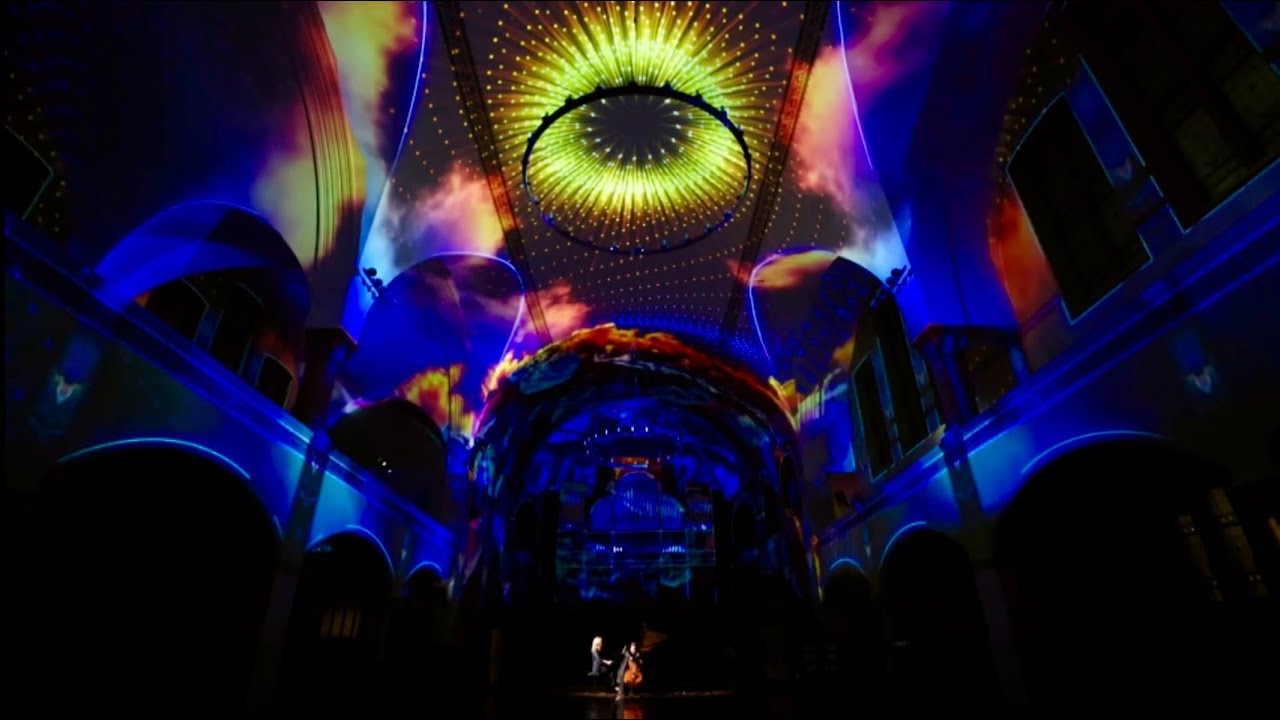
For a wedding with many guests, a trio can anchor the ceremony more clearly in the room. In high rooms, churches or spacious halls, the sound is better distributed and is given a more solemn dimension. Even with a longer aperitif with 80 or more guests, the third musical voice offers additional variety in the repertoire.
However, more ensemble does not mean that every passage has to get louder. First-class musicians are aware of dynamics. A trio can play tenderly and discreetly, but at a desired highlight – for example when the couple makes their entrance or at the opening of a gala evening – offer greater brilliance than a duo.
Especially suitable for
A trio goes very well with elegant weddings, baptisms, blessings, reception situations with a larger crowd of guests and company celebrations where music is supposed to be part of the production. It is the right choice if you want more festivity without the occasion losing its personal character.
The quartet for gala, large rooms and representative events
A quartet makes a clear statement. It sounds rich, nuanced and representative – especially when space and guest circles can absorb this effect. For galas, exclusive customer events, big weddings, award ceremonies or anniversary celebrations, a quartet creates a musical backdrop with special weight.
String quartets or mixed formations with piano unfold their strength, especially in spacious halls, hotels, event locations and in reception areas with several zones. These ensembles can fill a room with sound and give it character. While the guests arrive, an impression of quality, care and hospitality is already created.
The larger ensemble also offers more possibilities for concert moments. If music is intended both as accompaniment and as a featured performance, a quartet can present well-known titles in impressive arrangements. A short musical prelude before a speech or an emotional finale after the dinner can leave a lasting impression.
In a small room, however, a quartet can be too present. Not because the music would have to be played too loud, but because four musicians occupy more space, both visually and acoustically. Here a duo is often the finer, more coherent decision.
Venue, acoustics and programme
The most beautiful ensemble only has an effect if it fits the place. A small room with lots of reflective surfaces needs a different volume than a garden, a courtyard or a hall with high ceilings. Wind, temperature, power connection and weather protection also play a role in outdoor events – especially for a piano or professional sound technology.
Plan the music as part of the event schedule from the outset. At a wedding, the moment of arrival, the processional, individual ceremony passages, the recessional and the aperitif are usually important. At a corporate event, reception, start of presentation, breaks and networking can be the decisive musical windows. The more precisely these moments are defined, the more precisely the ensemble can be chosen.
The duration also changes the recommendation. For twenty minutes of ceremony, the music can be focused and emotional. For three hours of aperitif, you need a repertoire with variations in speed, style and energy. An experienced ensemble reads the mood in the room: it holds back when conversations are the focus and sets accents where the event deserves attention.
The repertoire combines taste and personality
Many hosts want classic elegance, but don’t just want to listen to classical music. This is exactly where the special strength of professional event music lies: a song that holds personal meaning for you can sound subtle, noble and surprisingly new on piano and cello. Film music can give a ceremony a sense of grandeur, Bossa Nova gives the aperitif lightness, and Jazz creates a relaxed, cultivated atmosphere.
The ensemble should therefore also match the repertoire. For intimate, emotional melodies, the duo of piano and cello are particularly expressive. An extension with violin is suitable for classic festivity and brilliant lines. A quartet can create a broad, distinguished sound for a gala.
personal wishes are valuable as long as they fit into the process. Two or three carefully selected titles often produce more effect than a long list. The decisive factor is that every piece has a place: as a welcome music, as an emotional highlight or as an elegant accompaniment in the background.
The right formation is a question of feeling – and experience
Those who book live music do not decide solely on instruments. It’s about the feeling that arises when the guests arrive, about the tension before a special moment and the warmth that remains after the celebration. A high-quality ensemble never seems arbitrary. It fits the place, respects the process and underlines the personality of the hosts.
SwissDuo accompanies events with this musical sensitivity – from the elegant duo to the extended formation with other first-class musicians. If you are unsure, do not start with the question of the largest ensemble, but with the moment you want to create: How should your guests experience the room when the first tones sound?