Anyone who organizes an aperitif often feels very quickly what elegant occasions fail: not because of the champagne, not the flowers, but in the atmosphere. This is exactly where good aperitif music comes in elegant planning tips. Because music in the aperitif should never fight for attention – it should bring people together, refine conversations and give the occasion exactly the class that you can’t reach with decoration alone.
Elegantly plan aperitif music – what really counts
A stylish aperitif thrives on balance. The guests should feel welcome, move freely, toast, laugh and talk. Music is not a decorative addition, but a formative part of the production. If it is chosen too dominant, the reception will appear restless. If it remains arbitrary, the occasion lacks depth.
Straight at weddings, company receptions or private celebrations in a higher setting are worth thinking about the musical accompaniment at an early stage. This not only applies to the question of which pieces are to be played, but also when music starts, in which line-up it sounds and how it reacts to the room, guest profile and daylight mood.
Elegance rarely comes from chance. It is created when every detail looks harmonious – and live music is one of the details that you feel immediately, even if you don’t actively analyze it.
The occasion determines the musical character
Not every aperitif needs the same sound language. A wedding aperitif after a symbolic wedding ceremony often requires warmth, romance and a slight festive tension. A customer event in a gallery may sound more reduced, urban and international. A round birthday in a small circle tolerates more personality and familiar melodies.
If you want to plan aperitif music elegantly, you should first clarify the function of the reception. Should the aperitif be a gentle transition after a ceremony be? should he promote networking Or is it the emotional prelude to a long evening? The answers change the music selection significantly.
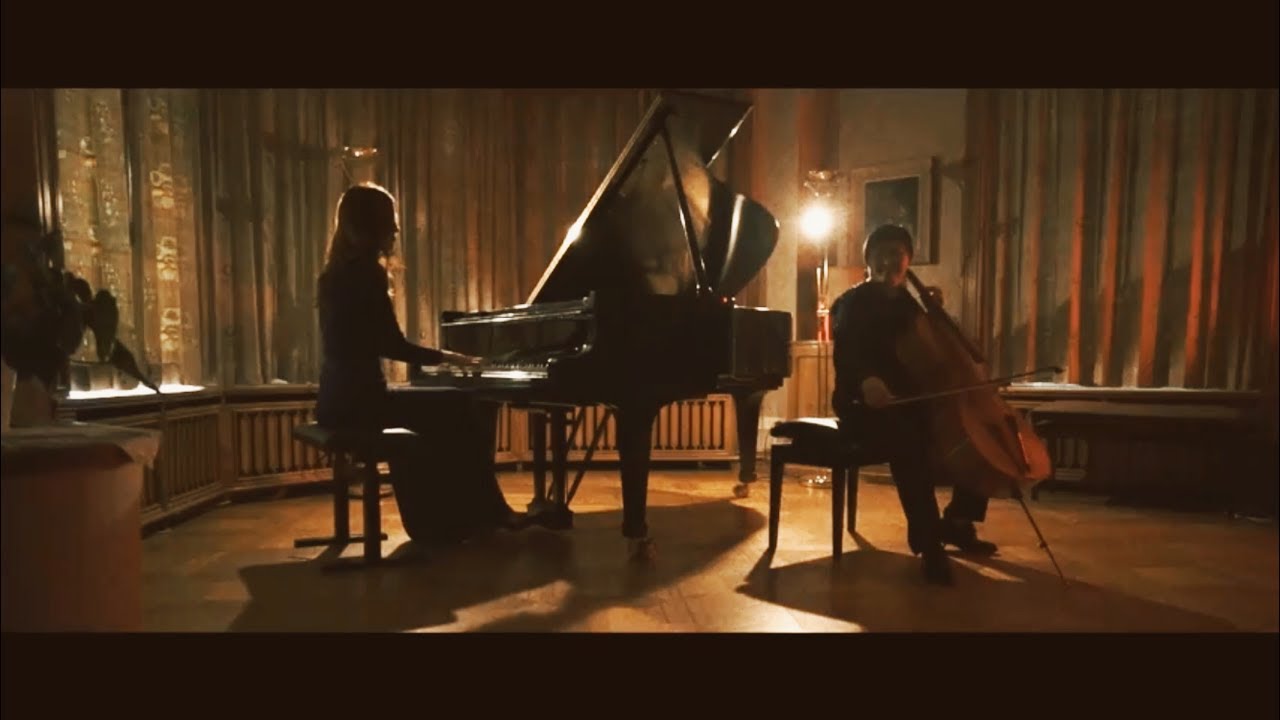
A classically influenced duo of piano and cello look particularly classy if you want to create a fine, representative setting. If well-known pop or film melodies are added in tasteful arrangements, the mixture of exclusivity and familiarity is often created that appeals to discerning guests.
The right cast is not a secondary detail
Many hosts first think of the song list. In practice, however, the occupation makes the bigger difference. A duo looks intimate, agile and cultivated. A trio or quartet can create more fullness and presence, which makes sense in spacious rooms or with larger numbers of guests.
There is no rigid right or wrong. In a historic villa with 40 guests, a duo can look absolutely perfect. On a wide terrace of a corporate event with 180 people, you may need more tonal width. If you plan too small here, you lose effect. If you plan too big, you can take the aperitif to its lightness.
Volume determines style
The most elegant music loses its value when guests have to yell at each other. Especially when it comes to aperitifs, restraint is a quality feature. High quality live music accompanies the room without occupying it. She is present but never intrusive.
That’s why it’s worth working with professional musicians who have experience with events – not just with concert halls. The difference is significant. Concert quality alone is not enough if there is a lack of feeling for situations. Music has to be able to breathe when it comes to aperitifs. It should leave room for the conversations and at the same time bear an audible handwriting.
Sensitivity is particularly important in interiors with stone, glass or high ceilings. What appears fine during the sound check can quickly become denser with a filled room. In the outdoor area, too, a sound that is too delicate is easily lost. Elegant planning therefore always means: Thinking the room acoustically.
The repertoire should look familiar – but not banal
One of the most important decisions concerns music selection. Many hosts want pieces that you know. This is understandable and often useful. Familiar melodies create closeness, awaken memories and make the atmosphere more accessible. But elegance only arises when the well-known is interpreted in style.
This is exactly where the appeal of high-quality arrangements lies. When a pop classic sounds on piano and cello, he loses any arbitrariness and gains depth. Film music can be great without becoming pathetic. Jazz standards give a reception class if they are not understood as a bar cliché, but as a fine color scheme.
For many aperitifs, a dramaturgical mixture has proven itself. At the beginning rather calm and open, later a little more rhythmic and warmer. After a wedding, it can be more emotional, often more discreet with a business aperitif. The decisive factor is not to cover as many genres as possible, but to create a stylistic common thread.
Wanted songs yes – but with instinct
Personal favorite pieces can make an occasion special. Nevertheless, it is worthwhile not to transfer every desired song unfiltered into an aperitif set. Some songs work great in headphones, but less in the live setting of an elegant reception. Too hard breaks in style, to dominant rhythms or very text-bound titles can tip the atmosphere.
A curated selection that shows personality and still wears the occasion is better. An experienced ensemble can advise and make suggestions here that convince both emotionally and stylistically. It is precisely this combination of individuality and class that makes the difference between entertainment and real event culture.
Timing is more important than many think
An aperitif is not a static item on the program. Guests arrive, congratulate, get a glass, change places, start conversations, break up again. Music should support this natural flow. If it is placed incorrectly, even good live music seems out of place.
A musical introduction is usually ideal when the first guests enter the aperitif area. This creates a high-quality frame. It doesn’t need a gap that has to be filled with small talk. The music has the first impression – and first impressions are crucial on exclusive occasions.
The length also deserves attention. The reception seems abruptly planned. Too long without development can become monotonous. On many occasions, the harmonious duration is between 60 and 120 minutes. This depends on the process, the number of guests and the subsequent program. Anyone who is planning a smooth transition into dinner or speech should make this transition musically conscious.
The place sets the tone
A lake terrace in Zurich, a boutique hotel, a winery, a modern showroom or a private garden – the same line-up looks different in every place. That’s why music planning should never be detached from the location.
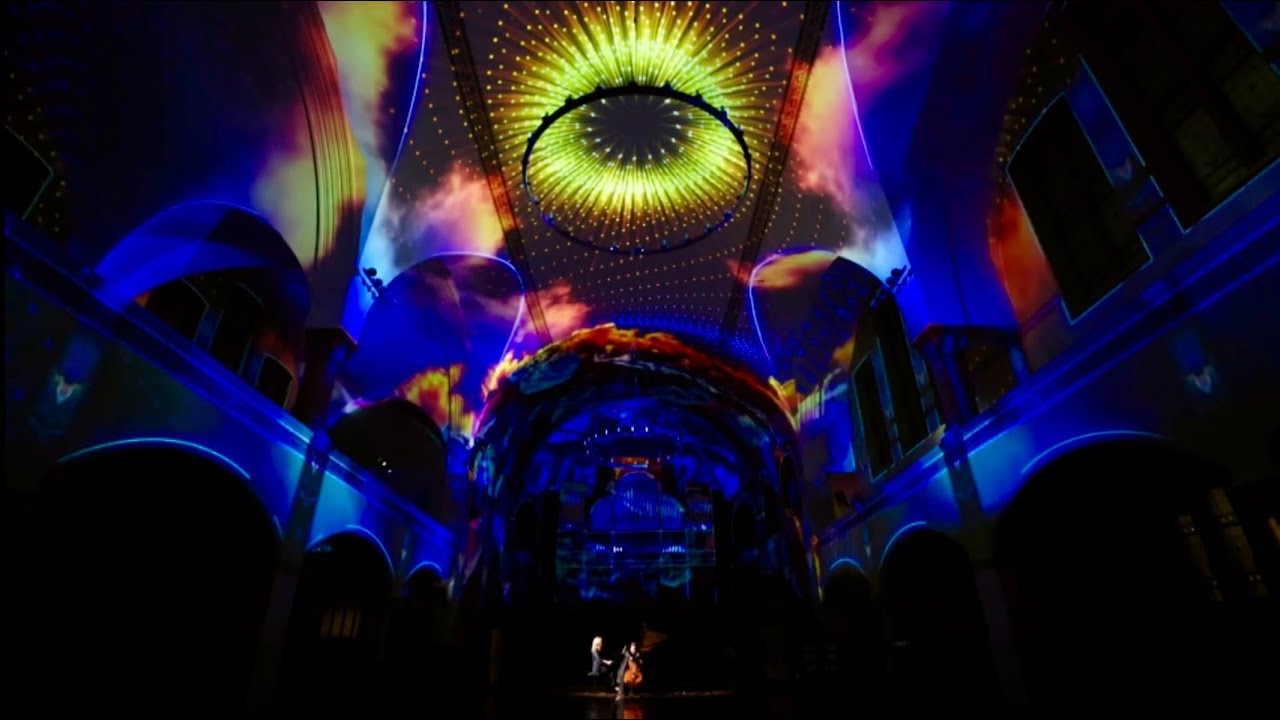
In architecturally clear rooms with modern design, tasteful programs often work particularly well. Historical halls wear classic or cinematic tones wonderfully. Outdoors, repertoire is needed, which conveys heat even without dense room acoustics. And with mixed formats with a standing reception, food stations and a photo area, the music can be mobile in mind, even if the musicians themselves play in a permanent place.
Professional planning also takes very practical questions into account: electricity, weather protection, space requirements, access points and visual axes. Nothing looks less elegant than an improvised corner between service path and wardrobe. Music deserves a position that is visible, stylish and functional.
Live music or playlist – the honest weighing up
Of course, a playlist is cheaper. It can be sufficient for smaller, informal occasions. However, if you want to create a really refined atmosphere, you will notice the difference immediately. Live music responds to the moment. It follows the energy of the room, can spontaneously nuance and even lends character to well-known melodies.
Especially in the premium segment, this effect can hardly be replaced. Guests often perceive them not as a loud event, but as a feeling of level. This is the real added value. Not a spectacle, but a presence. Not sound, but atmosphere.
An ensemble like Swissduo Pianocello has exactly the connection that is decisive for sophisticated aperitifs: musical excellence, stylish charisma and a repertoire that combines classic class with modern elegance.
The most common mistakes in planning
Many wrong decisions do not arise from bad taste, but from wrong priorities. Music is often only booked at the very end when the location, process and budget are already fixed. Then she has to fit into a concept that was thought of without her. The result is rarely really consistent.
Another mistake is the orientation towards the main target group without looking at society as a whole. Just because the bridal couple loves indie or prefers the management of jazz doesn’t mean that a whole aperitif should be built on it. Elegant event music always thinks of the common denominator – demanding, approachable, high-quality.
And finally, the effect of style is often underestimated. Not everything that is festive is automatically elegant. Sometimes less repertoire, but finer chosen, is much more effective than a musical mix that is too broad.
This creates an aperitif with lasting effect
The most beautiful receptions cannot be recognized by the fact that something is constantly happening. You can tell that everything works effortlessly. Guests feel comfortable, conversations flow, pictures stay in their heads. Music contributes to this quietly, but decisively.
If you plan your aperitif with elegance, don’t think about loudspeakers or title wishes first, but of mood, character and level. The right live music turns a beautiful reception into an occasion that is remembered – not intrusive, but with that fine naturalness that always radiates true style.