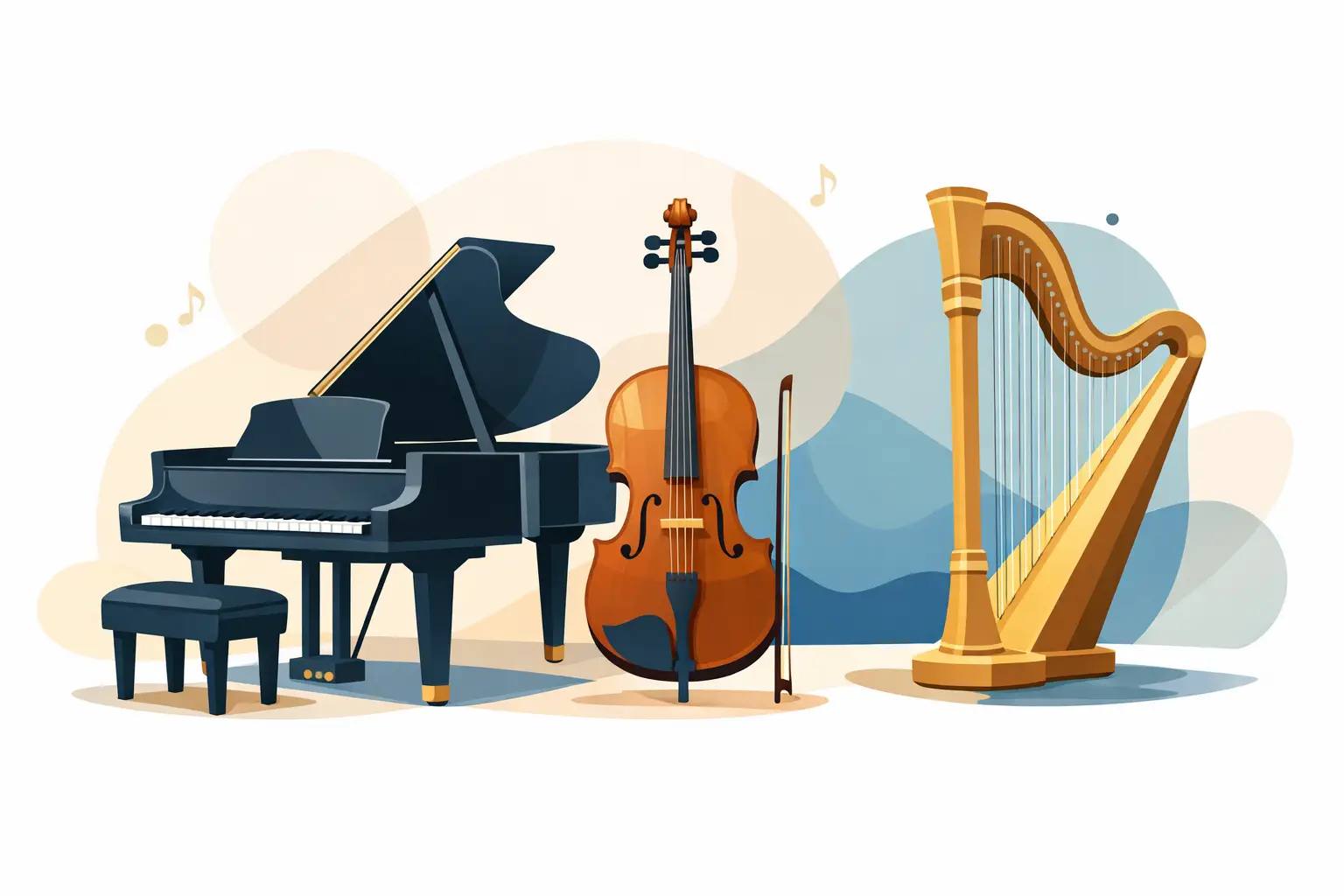
Just before the wedding processional, guests settle and the first notes set the mood. Choosing piano, cello or harp changes the character of that moment. Piano offers clarity and range, cello warmth and depth, and harp a light, delicate sound.
For a stylish celebration, there is therefore no all-inclusive best choice. The decisive factor is what your occasion should tell: timelessly classic, intimate and touching, festive and representative or light and relaxed. Anyone who knows the effect of the instruments not only makes a musical decision, but creates a permanent framework for a special moment.
Piano, cello or harp: what goes with your celebration?
Ideally, the question of the right instrument does not start with a single favorite song. It starts with the place, the number of guests and the desired effect. A secular wedding ceremony in the garden makes different demands than a reception in a historic hall, a gala dinner or a funeral service in the narrowest circle.
The duration also plays along. For the emotional climax of a ceremony, music can touch directly and be clearly in the room. During an aperitif or meal, on the other hand, she should create atmosphere, refine conversations and still leave room for encounters. The same melody can have a completely different effect on piano, cello or harp.
The piano: versatile, clear and festive
A grand piano or piano gives an occasion from the first note on presence. Its sound can radiate, accompany it gently or revitalize it with rhythmic energy. Especially for larger rooms, elegant hotels, ballrooms and company events, the piano is an excellent choice because it combines musical clarity and representative effects.
Its particular strength is versatility. Classical works, film music, jazz standards, bossa nova or finely arranged pop songs get a natural elegance on the piano. for a wedding a piano solo can make the entry with dignity; With an aperitif, the same pianist with subtle, well-known melodies can create a cultivated lightness.
In practice, however, an acoustic piano needs a suitable location and a good condition. If there is no instrument at the venue, a high-quality digital piano can be a stylish and sound-convincing solution. In an outdoor ceremony, this is often more flexible than a wing – provided the weather, power supply and a protected space are carefully planned.
The cello: the voice for closeness and depth
The cello comes particularly close to the human voice. His tone can comfort, wear, blossom and form a melody with extraordinary intimacy. Where an event needs personal depth, the cello unfolds an effect that guests often feel directly without having to explain them.
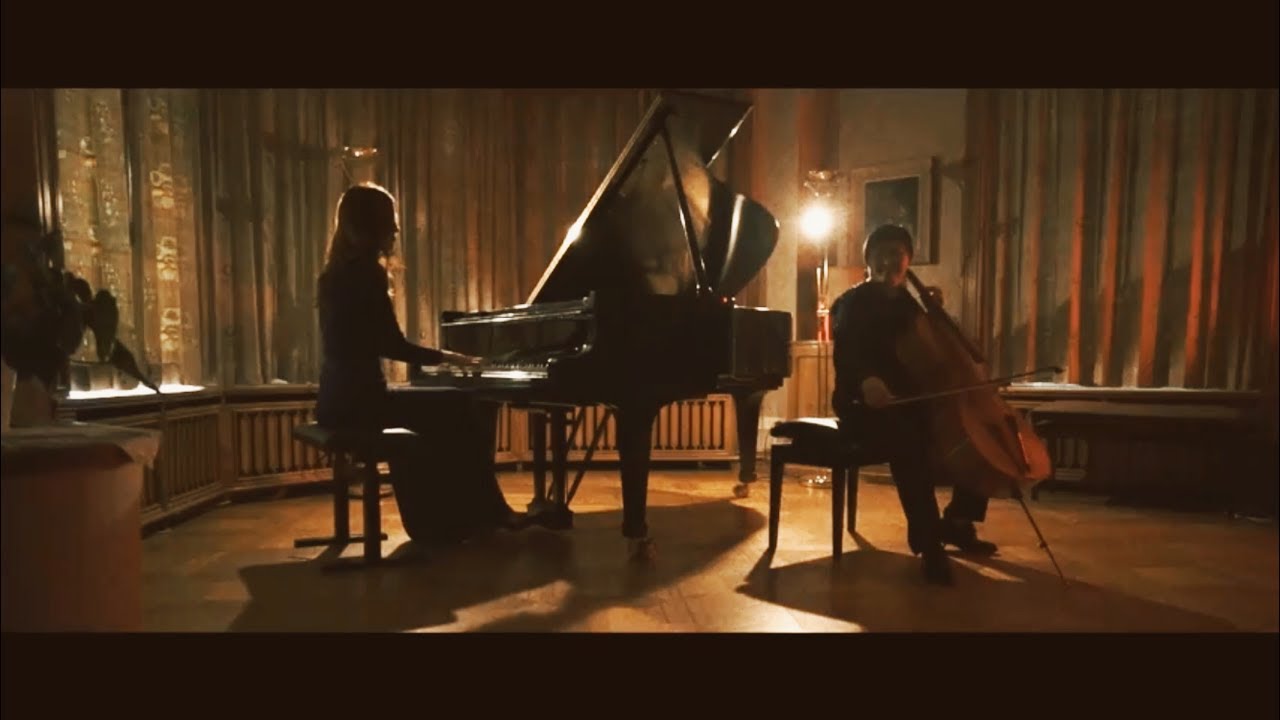
As a solo instrument, it is particularly suitable for small, concentrated moments: an intimate wedding ceremony, a blessing, a funeral service or a solemn program item. In combination with the piano, it becomes even more expressive. The piano creates the harmonious foundation while the cello sings, answers and fills the room with warmth.
Piano and cello can bring both classical works and modern songs into a wedding ceremony. A carefully arranged pop song can become a personal musical moment. The duo also works well for receptions and other events where an elegant sound is wanted without overwhelming conversation.
A cello alone is finer than a piano and may need a subtle reinforcement in large or lively rooms. This is not a disadvantage, but a question of planning. In a quiet dinner with many conversations, it should accompany it rather subtly; At a ceremony with 150 guests, his musical message must reach everyone.
The harp: light, poetic and extraordinary
The harp has an unmistakable magic. Their plucked tones appear airy, noble and soft, often with an almost cinematic quality. It goes wonderfully with symbolic wedding ceremonies, garden celebrations, receptions in light-flooded rooms and occasions where a light, romantic atmosphere is in the foreground.
A harp can make a lovely first impression as guests arrive or during the wedding processional. Its sound and appearance suit occasions where a light, graceful atmosphere is desired.
At the same time, the harp has its own limits. Their sound is less assertive than that of a piano and can lose effect in wind, traffic noise or a lively outdoor aperitif. Her repertoire is also versatile, but not every current song or every rhythmically powerful number develops the same naturalness on the harp as in the piano cello duo.
The harp is therefore ideal when the environment is calm and the music is allowed to appear as a poetic accent. For a big reception with a lot of exercise, for an urban event or for an evening with a cross-genre repertoire, piano with cello is often the more confident choice.
Why piano and cello are often the most elegant solution
If you can’t choose between piano, cello or harp, you usually don’t just look for an instrument, but a harmonious musical dramaturgy. This is exactly where the strength of a duo of piano and cello lies: it combines shine and depth, presence and intimacy.
The piano can fill a room and give the music structure; the cello adds warmth and emotional depth. Together, the instruments can be arranged to suit a church ceremony, a symbolic wedding by the lake, a champagne reception, a seated dinner or an elegant awards ceremony.
The program can grow with the occasion. At the beginning, for example, classical works or quiet film music can be heard. Jazz, bossa nova and stylishly arranged pop melodies follow at the aperitif. For the highlight of the evening, the music can become more concertante and more present. This flexibility makes the duo a safe choice for hosts who don’t want to coordinate multiple musical concepts.
Swissduo Pianocello designs such transitions with first-class musicality and tailor-made arrangements. The music never stays arbitrary: it is based on the character of the place, the process and the people who come together.
The place decides more than many expect
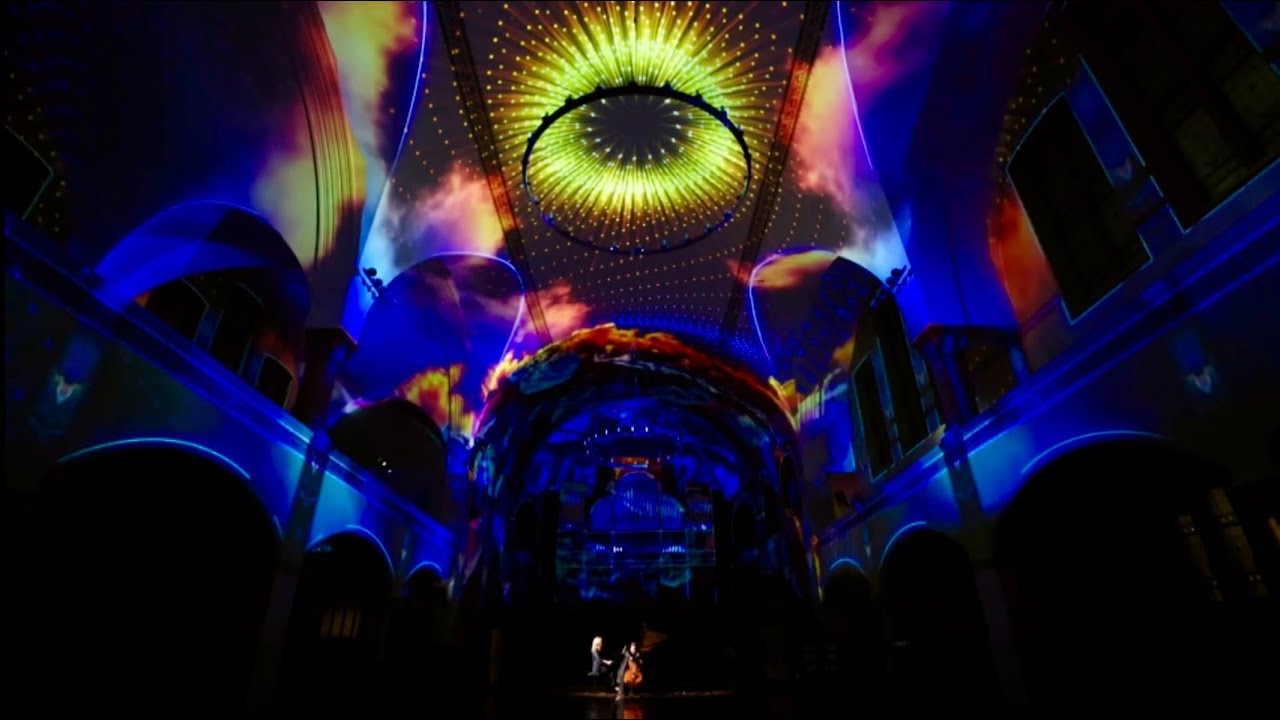
An instrument should not only sound beautiful, but also work practically at the venue. A high hall with good acoustics wears a cello wonderfully and gives the piano additional shine. In a small chapel, a duo can work intensely without having to be loud. Outdoors, on the other hand, you need protection from the sun, humidity and wind as well as a realistic assessment of the ambient noise.
At a wedding in the garden, the harp can be adorable for the wedding, while for the subsequent aperitif A piano cello duo offers more presence and stylistic range. At a company reception, a piano creates an elegant base, supplemented by cello for the emotional and high-quality touch. At a funeral service, the focus is often not on the size of the sound, but on its honesty – here a cello with piano can speak particularly with dignity.
It is also worth looking at the process in concrete terms: When do the guests arrive? Where does the ceremony take place? Is there a change of location? How long should the music play? Professional musicians plan these details at an early stage so that the musical transitions are unobtrusive and the event remains calm and class at all times.
Not only the sound, but the repertoire counts
The choice of instruments should match the desired repertoire. All three options are conceivable for Bach, Schubert, Saint-Saëns or a classic Ave Maria editing. However, if a wide range of romantic film music to international pop ballads to jazz and lounge music is desired, piano and cello Especially many colors.
Wanted titles are best when they are not only recognizable, but are arranged in style. A song that accompanies a couple through his story may sound delicate and emotional at the wedding. The same title can later appear instrumentally lighter, more rhythmic or jazzier. This creates a red thread that looks personal without becoming intrusive.
When choosing instruments, picture the venue and each musical moment: the arrival of guests, the processional and the final piece. Listen for the sound that suits the occasion and the feeling you want guests to remember.