When a child is carried into the ceremony and the room falls quiet, music can give that moment warmth and meaning. Live music for a baptism is more than a decorative detail: it helps create a celebration that feels personal, dignified and welcoming.
Why live music suits a baptism
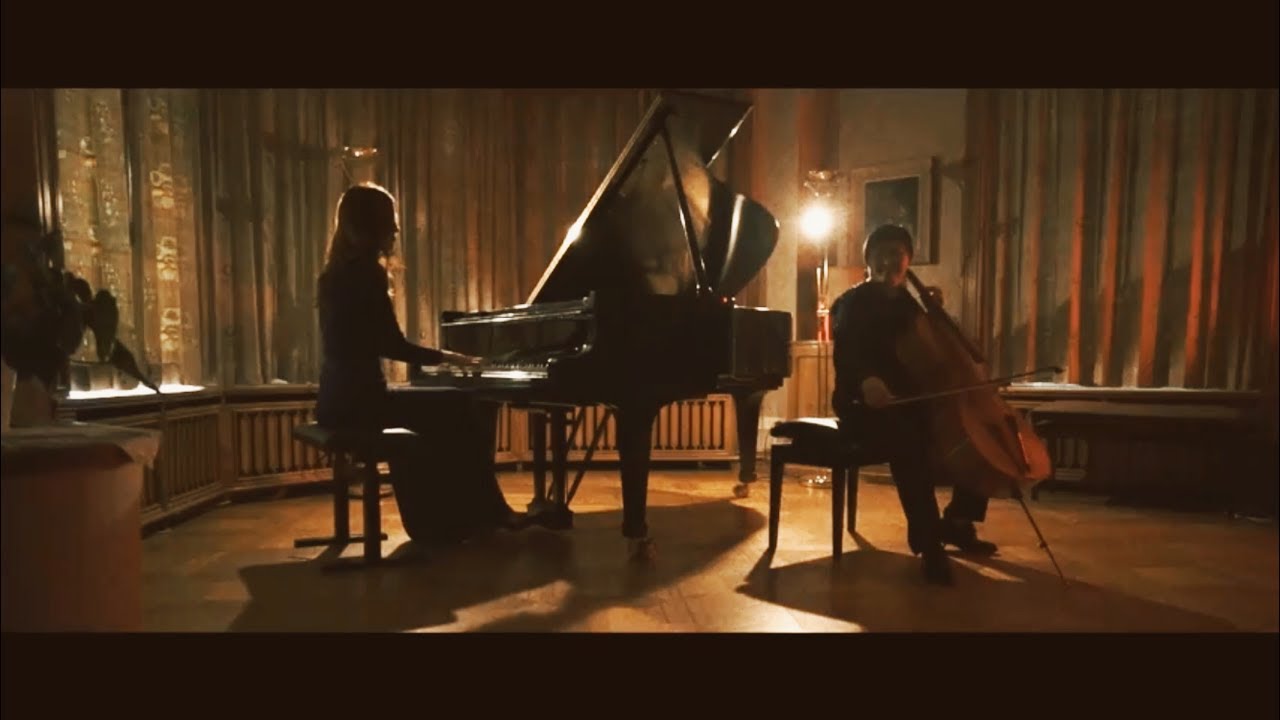
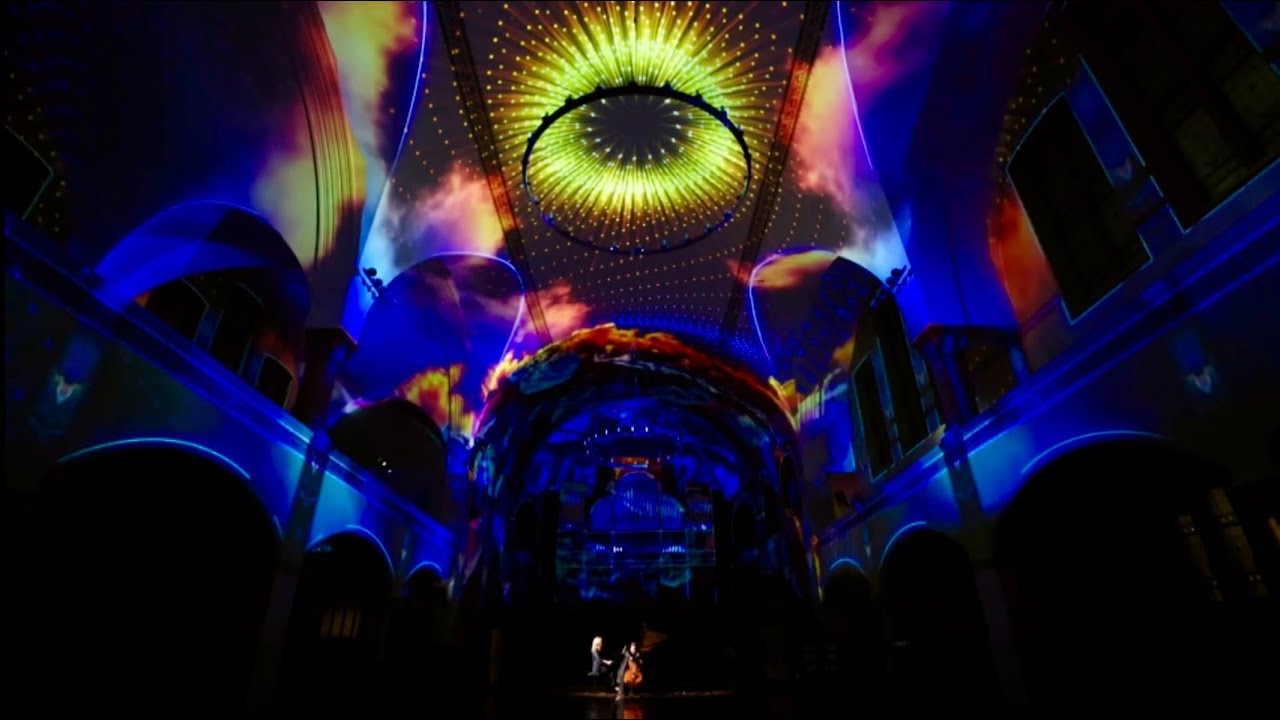
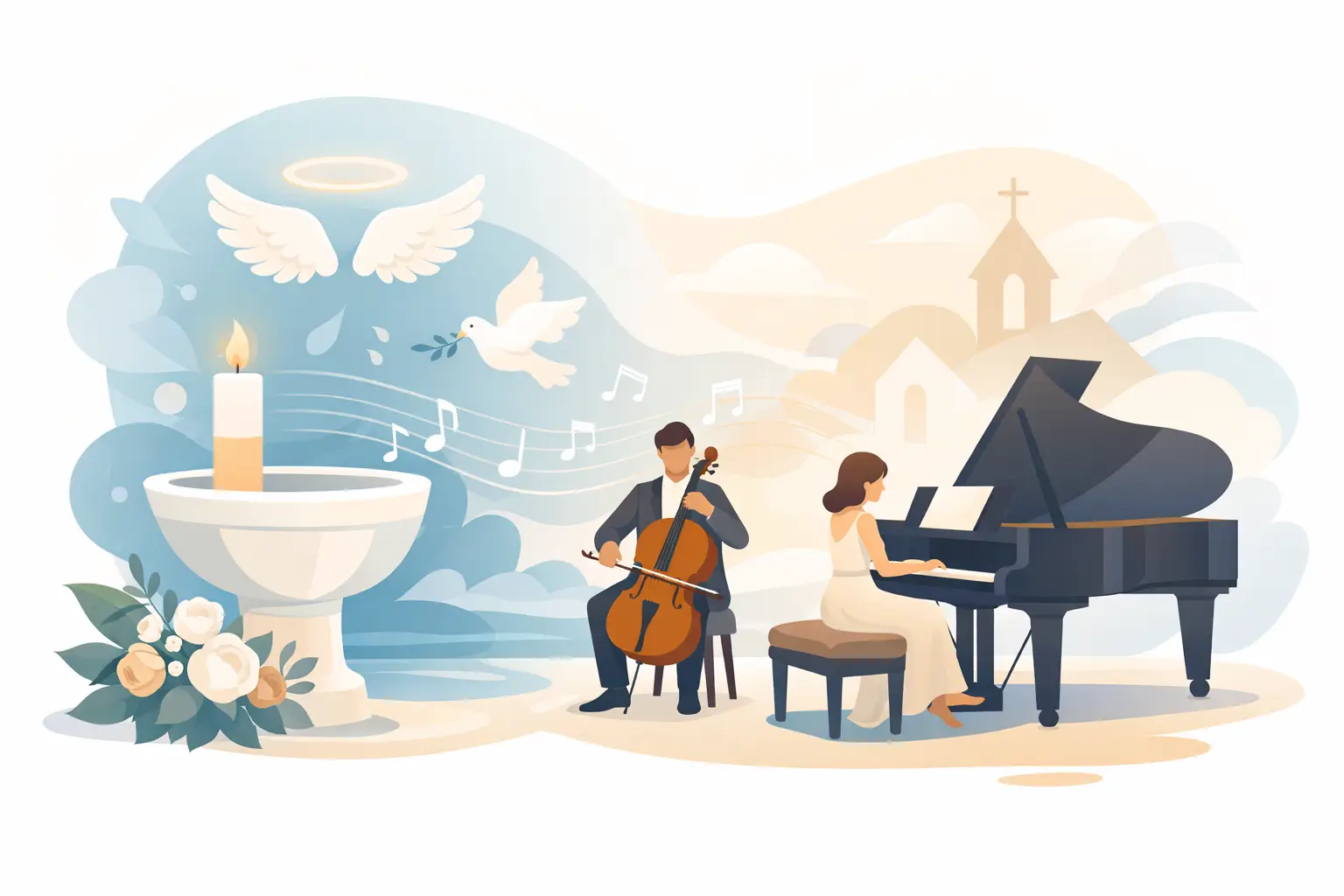
A baptism is usually an intimate occasion. The music should support the family and the ceremony without demanding attention. A piano and cello duo can respond to the room and to the pace of events, whether the celebration takes place in a church, a small chapel, a private venue or outdoors.
A recording follows a fixed length. Musicians can adapt when the family’s entrance takes longer, a blessing needs more time or a quiet pause feels right. This flexibility lets the music become part of the occasion. A thoughtful performance also contributes to the atmosphere before the first piece has even begun.
Which ensemble should you choose?
The right choice depends on the venue, number of guests, religious setting and mood you want. Piano and cello work particularly well together: the piano brings harmony and structure, while the cello carries a warm, singing melody. The result feels celebratory without overwhelming a small gathering.
A duo, trio or small ensemble?
A duo is a natural fit for many baptisms. It remains intimate in a small room and can still fill a larger church. A trio or quartet may suit a more formal celebration or a reception after the ceremony. More musicians do not automatically make the occasion more elegant. For a family gathering, a smaller ensemble with a carefully chosen repertoire often has the stronger effect.
Choosing music for the baptism
Begin with the feeling you would like to create. Should the ceremony be classical and contemplative, modern and light, or a blend of both? Consider the family’s memories and, for a church service, any guidance from the officiant. The music should suit the setting as well as the people.
Classical pieces and personal favorites
Classical works bring calm and a sense of occasion to the entrance, blessing and quieter transitions. Families may also wish to include a melody from a film, a gentle pop song or a jazz piece with personal meaning. These choices can sit together beautifully: perhaps a classical opening, a familiar melody for a symbolic moment and a brighter piece at the end. A sensitive instrumental arrangement makes all the difference.
Where music fits in the ceremony
Music is most effective when it follows a few important moments rather than filling every silence. For the entrance, choose something warm and welcoming. During the baptism or blessing, short instrumental passages can leave space for the words and ritual. For the recessional, the mood can become lighter: this is a family celebration as well as a solemn occasion.
And what about the reception?
If an aperitif follows, the musicians can carry the atmosphere into a more relaxed setting. Subtle arrangements of pop, bossa nova, film music or jazz accompany conversation without competing with it. This transition helps the ceremony and reception feel like parts of one celebration.
What to discuss before booking
Ask prospective musicians about their experience with ceremonies, the repertoire they offer and how they handle timing. A baptism calls for a different approach from a gala or a wedding party. The musicians should be able to adapt volume and performance to the venue and speak with the officiant or celebrant when needed.
Good communication is especially useful if you have not yet selected the pieces. Share the location, ceremony schedule, number of guests and any personal songs you have in mind. The ensemble can then suggest where music will add the most and help you avoid unnecessary complexity.
Common planning mistakes
Music is sometimes chosen at the last minute, when only a familiar title comes to mind. Yet a song that works on a playlist may not suit a baptism. Think about its mood, lyrics and arrangement. An instrumental version can sometimes convey the personal connection more gently.
It is also easy to plan too many pieces. A baptism does not need a concert program. A few well-placed musical moments usually have more impact than continuous background sound throughout the ceremony.
Music for different kinds of baptism celebrations
Live music can suit a traditional church baptism, a secular naming ceremony or a private family gathering. It can connect guests of different generations without requiring everyone to relate to the ceremony in the same way. In Switzerland, SwissDuo PianoCello combines classical training with a varied repertoire for these personal occasions.
The aim is not to have as much music as possible. It is to let the right melody sound at the moment your family will remember.