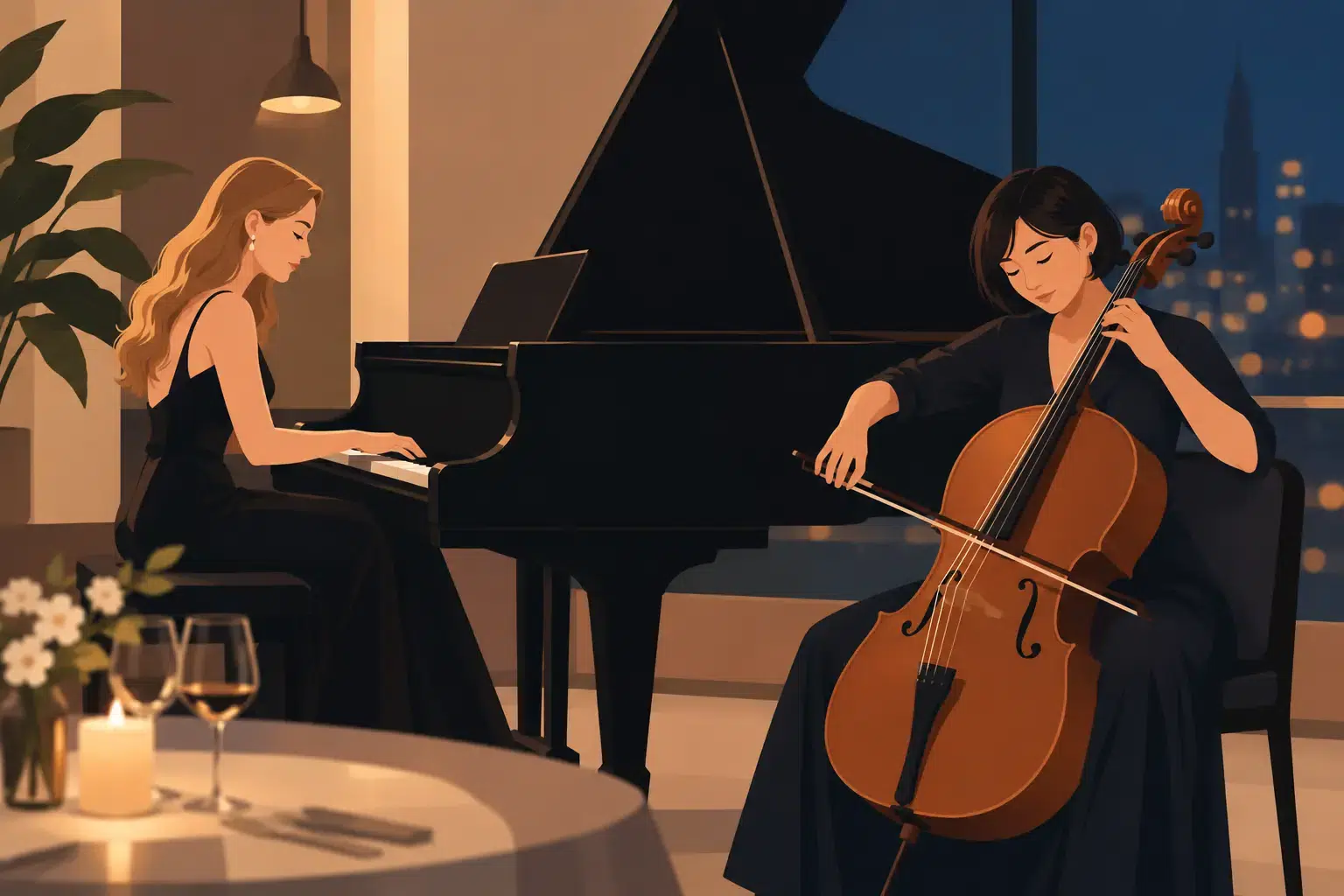
The first course arrives, glasses clink and conversations begin to flow. This is when jazz standards for dinner come into their own: they give the evening character without dominating it. A familiar melody, played with sensitivity and taste, brings guests together and makes even a large room feel more intimate.
At a stylish dinner, jazz is part of the art of hospitality. The right selection combines elegance, warmth and an easy-going mood, whether for a private birthday celebration, a wedding or an exclusive client event in Zurich, beside a lake or in the mountains.
Why jazz standards suit an elegant dinner
Jazz standards have a rare quality: their melodies are familiar without demanding attention. Pieces such as The Way You Look Tonight, Misty, Fly Me to the Moon and My Funny Valentine evoke memories and put guests at ease. Their appeal reaches beyond passing trends and individual generations.
The interpretation matters as much as the choice of piece. A standard can sound delicate and restrained, provide a gentle swing or briefly become the focus of attention. Dinner music needs this sensitivity: it should support conversation without interrupting it.
A professionally planned programme takes account of the venue, guest numbers, occasion and schedule. An intimate dinner calls for a different musical presence from a gala with hundreds of guests. Both benefit from experienced musicians who can read the room and adapt as the evening unfolds.
Jazz standards for dinner: the right choice
A well-balanced dinner programme offers variety without abrupt changes. Gentle ballads bring calm to the welcome and opening courses, followed by the light pulse of bossa nova. Towards the end of the meal, selected swing classics or jazz arrangements of familiar film melodies can lift the mood while preserving its elegance.
Melodies with a clear, lyrical line work especially well. Autumn Leaves brings a warm melancholy suited to an autumn evening or soft candlelight. La Vie en Rose adds French sophistication, while Moon River creates a tender, cinematic atmosphere. Cheek to Cheek and It Had to Be You offer a lighter, more playful touch without turning dinner into a show.
At a wedding dinner, the repertoire can be more romantic. At Last, The Nearness of You or a soulful version of L-O-V-E can reflect the emotion of the day. For a corporate event, internationally familiar standards, bossa nova and subtle modern arrangements often work well across countries and generations.
A strong groove, a very fast tempo or an instantly recognisable pop hook can distract from conversation. An entirely melancholy programme may also weigh down the atmosphere. The aim is balance: expressive without becoming sentimental, lively without being intrusive.
How the music develops through the evening
The programme should evolve with the meal. For the aperitif, choose light, welcoming pieces with an elegant pulse. Quieter music leaves room for conversation during the starter. The main course can bring more colour and warmth through swing, Latin jazz or rhythmically light standards.
By dessert, guests are often more relaxed and familiar melodies can become a little more prominent, provided the volume remains comfortable. If dancing or an informal gathering follows, the musicians can gradually introduce livelier pieces, creating a smooth transition from dinner to celebration.
Piano and cello: jazz with a special touch
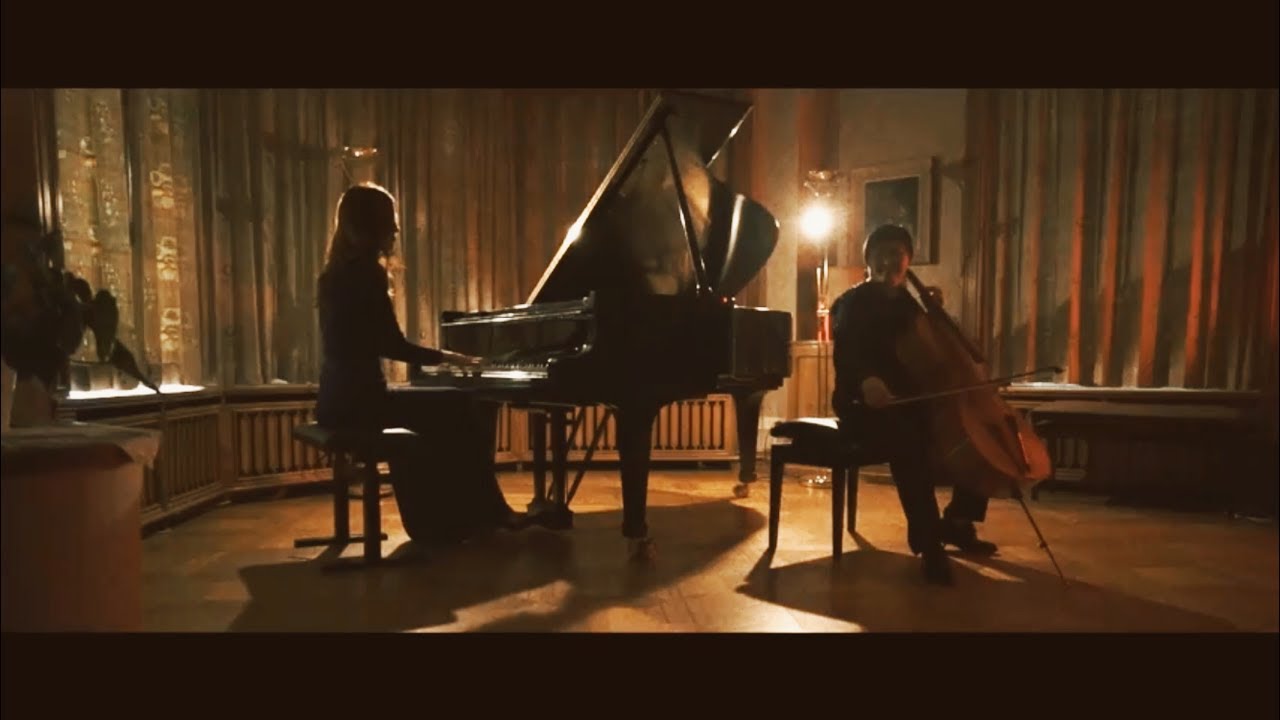
Jazz standards are often associated with vocals, saxophone or classic jazz trio. For a dinner, however, the combination of piano and cello can be exceptionally appealing. The piano carries harmony, rhythm and the unmistakable jazz sound. The cello takes over the melody with warmth, depth and a fine emotional presence.
This versatile ensemble combines classical refinement with modern elegance. The cello can sing a ballad almost like a human voice while leaving room for conversation. Bossa nova, swing and film melodies also lend themselves beautifully to this combination.
For a larger venue or a dinner followed by a celebration, an expanded ensemble may be appropriate. Double bass adds depth to the groove, drums played with brushes provide gentle movement, and a singer can highlight selected moments. The choice depends on the desired musical presence: some occasions suit a quartet, while others are better served by an intimate duo.
SwissDuo designs such programs with musical precision and tailor-made arrangements that serve the occasion. The music is not understood as a fixed set, but as a living part of the evening.
The volume determines the atmosphere
The most common problem with dinner music is excessive volume. If guests have to lean forward to hear one another, even a beautiful performance loses its effect. Live music should be audible without competing with conversation.
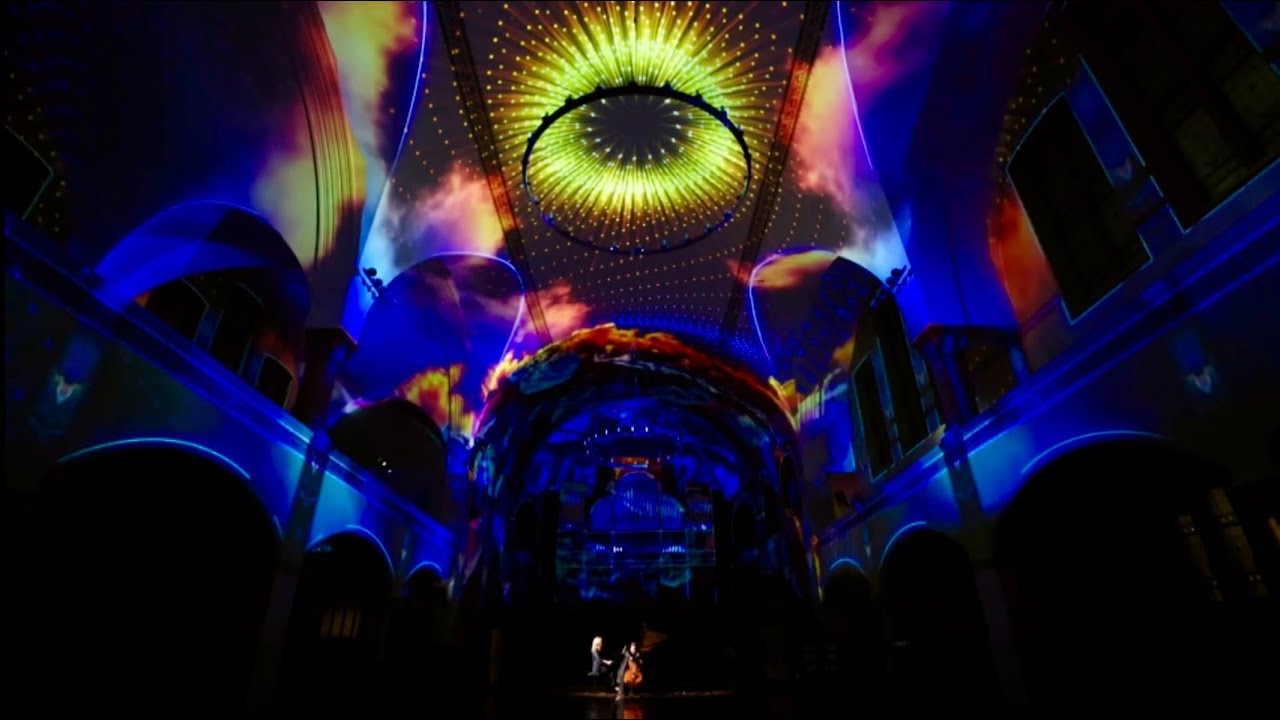
The right volume depends on the acoustics. Stone, glass and high ceilings reflect sound, while carpets, curtains and a full room absorb it. Table layout matters too: conversations travel differently along a long table than around a round one. Experienced musicians adjust their dynamics and position accordingly, with a sound check before guests arrive when needed.
During speeches, words of thanks or menu announcements, the music should become quieter or pause. These transitions feel effortless when they have been planned with the hosts and service team.
From the venue to a personal musical programme
Planning starts with a few questions. Should the mood be romantic, modern, Mediterranean or festive? When will guests arrive? Are speeches, a ceremony, dancing or a cake-cutting moment planned? These details help shape a natural musical progression.
Personal requests add meaning. A standard might recall a trip, the first time you met or a family memory. A bespoke arrangement can turn that connection into a discreet, personal highlight and make the evening memorable.
A dinner does not need to be loud to be unforgettable. Familiar jazz melodies, played with sensitivity and elegant restraint, can create an atmosphere guests remember long after the evening ends.