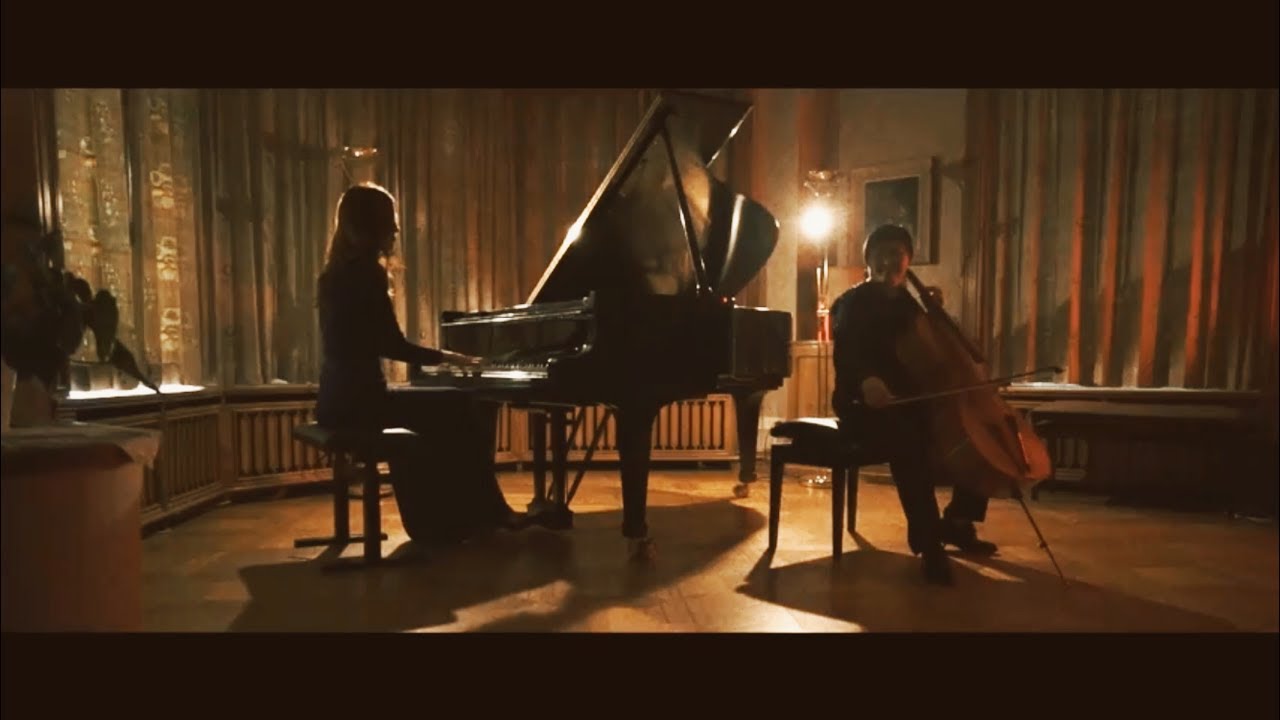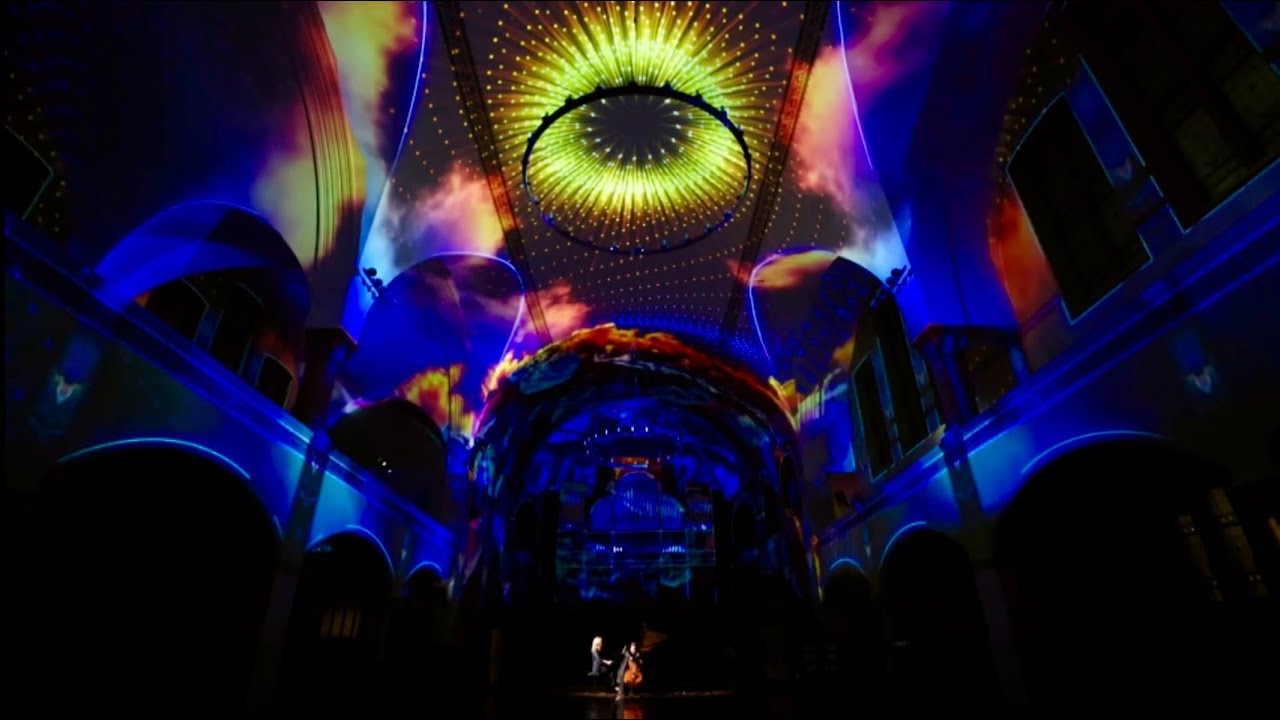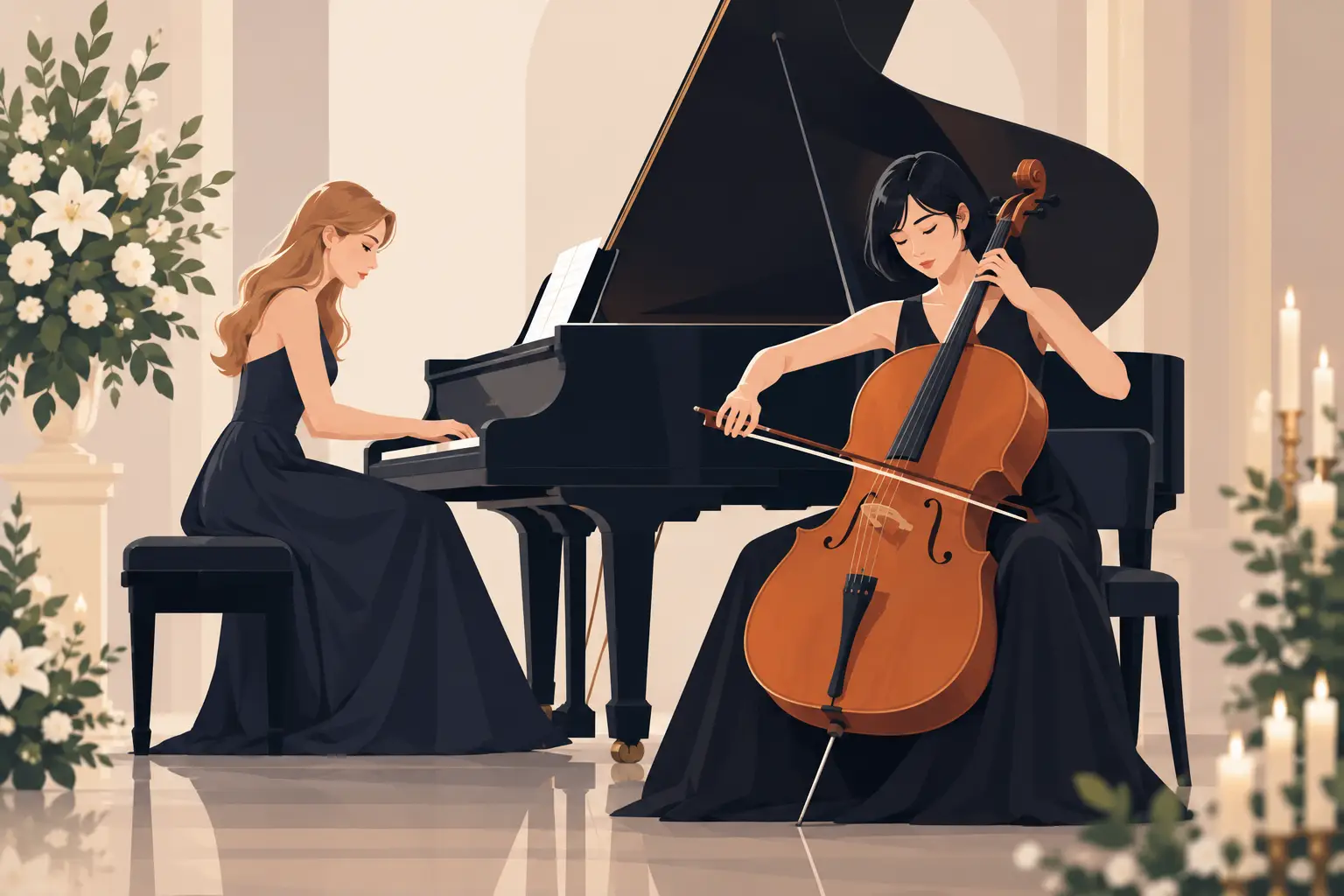
A gala doesn’t just start with the greeting on stage. It begins at the moment when the first guests enter the room, leave the wardrobe behind and feel: this evening was designed with care. This Guide to a Gala with Piano and Cello shows why a piano cello duo is an exceptionally effective choice for this – and how music wears the whole evening without pushing itself to the fore.
Piano and cello combine classic noblesse with immediate warmth. The piano creates vastness, shine and rhythmic movement; The cello gives well-known melodies depth, character and an almost human voice. For gala evenings, where style, hospitality and a representative setting count, this creates exactly the atmosphere that looks high-quality and yet remains personal.
Why piano and cello go with a gala
A DJ can generate energy, a large ensemble can impress. However, a duo of piano and cello can do something particularly valuable: it reads the room. The volume remains pleasant for conversations, the music is present without disturbing the networking, and the cast fits itself into elegant locations with limited space.
straight at a reception or a set dinner, this balance is crucial. Guests should feel welcome, not sound. A finely played arrangement of film music, jazz, bossa nova, pop or classical works creates recognition and conversational material without deducting the attention of hosts, speeches or culinary moments.
Added to this is the visual effect. A grand piano or high-quality digital piano and a cello set a cultivated accent in the room. The instruments do not look like technical equipment, but like part of a stylish staging. In historic halls, modern event locations, hotels or private residences, this creates an atmosphere that is just as convincing in photos as it is on site.
Musically structure a gala with piano and cello
The most beautiful gala music is created when it is not intended as a single item on the program, but as a common thread. It is worth defining the dramaturgy of the event early on. Not every phase needs the same intensity, the same pace or the same musical language.
Arrival and aperitif: The first impression counts
When the guests arrive, the music can be open, inviting and light. Elegant classics, lively swing, subtle jazz or tasteful pop arrangements create movement without creating restlessness. A timbre that fills the room and still leaves room for greetings is crucial.
Melodies with a natural flow are particularly suitable for a champagne reception. The cello can carry lyrical lines, while the piano makes the harmony transparent and lively. The music can shine in a friendly way here, but never become intrusive. An experienced duo adapts the volume, speed and repertoire to the actual dynamics in the room – because a lively reception demands something other than an intimate round of guests.
Dinner: Elegance that respects conversations
During the dinner, the focus shifts. The music becomes more reserved, warmer and more spacious. She accompanies the food, takes breaks between the conversations and gives the evening a calm, self-evident.
Here, gentle classics, romantic film melodies, bossa nova and selected songs from pop and rock in finely crafted instrumental versions prove themselves. Well-known pieces work particularly well if they are not too obvious. The guests recognize a melody, maybe smile briefly – and can then continue to devote themselves to their table discussion undisturbed.
For long dinners, variety is more important than permanent sound. Musical sets with deliberately set breaks give air in the evening. These breaks are not a loss of quality, but a sign of good intuition: Between service, changing tables and speeches, an exclusive society also needs space for their own dynamism.
Speaking and Honors: Music supports the moment
A gala often thrives on speeches, awards, anniversaries or thanks to employees and partners. In these moments, the music should be used precisely. A short entry to an honor, a subtle accompaniment before the stage moment or a musical transition after the applause creates sovereignty and avoids hectic silence.
Coordination with the process management and technology is important. When does the music start? Where are the musicians? How are microphones, lights and walking paths coordinated? Such details make the difference between a nice musical contribution and a gala evening that looks as if from a piece.
The highlight: when listening is desired
After the dinner, the duo can deliberately step into the light. A short concert set is an elegant alternative to another program item that requires a lot of explanation or technical conversion. Two to four carefully selected pieces are often enough to bundle the space and create a permanent climax.
Great film melodies, virtuoso classics or emotionally charged arrangements from pop music are suitable for this. Which direction fits depends on the occasion. A company party can be modern and surprising; A charity evening may be tolerated by a more classic program. The decisive factor is not the label of the genre, but the quality of the interpretation and the harmonious selection.
Repertoire: Combining Awareness with Class
Many hosts want music that sounds familiar to guests, but doesn’t sound arbitrary. This is exactly where the strength of high-quality arrangements for piano and cello lies. A popular song can suddenly gain the elegance of a small concert scene; A classic work can be light and contemporary.
Three questions help with the repertoire election: Who are the guests? What is the character of the location? And what memory should the evening leave? For an international audience, there are melodies that work across cultures. For a Swiss family business, a personal connection – such as a favorite song of the founding family or a musical allusion to the company’s history – can particularly touch on.
It is worth not putting together too many wishes in a disorderly manner. A long list with completely different styles rarely seems closed. A curated musical profile is better: classically elegant with modern accents, cinematic-emotional or jazzy and urban. This creates an evening with your own handwriting.
Planning, space and technology without surprises
Premium live music doesn’t need complicated production, but clear preparation. A duo requires a protected, clearly visible place with sufficient area, pleasant lighting and a safe power supply if a digital piano or subtle reinforcement is provided. In the case of an acoustic wing, it must be clarified early on whether the instrument is tuned and ready to play.
The acoustics also deserve attention. High glass surfaces, hard floors and large rooms can enhance the sound, while winding halls or outdoor areas require special solutions. At a gala with several hundred guests, restrained sound reinforcement can be useful. With a small dinner in a private setting, on the other hand, it would often be unnecessary. It depends on the room, the number of guests and the desired proximity.
Also plan a clear contact person at the event. It should know the schedule, communicate short-term changes and coordinate access to the location. In this way, the musicians can concentrate entirely on what guests should feel: a confidently designed evening.
When a larger cast makes sense
The Piano Cello Duo is ideal for many galas, but not for everyone. If a very large hall is used, a programmatic concert part is planned or a particularly opulent sound is desired, an extension with violin, vocals or other instruments can create the right setting.
The larger cast increases the tonal presence and opens up more repertoire colors. At the same time, it requires more space, more coordination and usually a more conscious role in the process. The duo is often the finer solution for elegant reception and dinner. For a large-scale highlight, a trio or quartet can be just the right increase.
Swissduo Pianocello combines first-class classical training with a repertoire that ranges from stylish ceremonial music to modern gala arrangements. The artistic claim is not shown in as many tones as possible, but in the ability to grasp the character of an event with a precise musical accuracy.
A successful gala does not have to constantly impress. She can shine in the right places, breathe in between and give her guests the feeling of having been received with special attention. The piano and cello give this feeling a sound – elegant, personal and remembered long after the last applause.