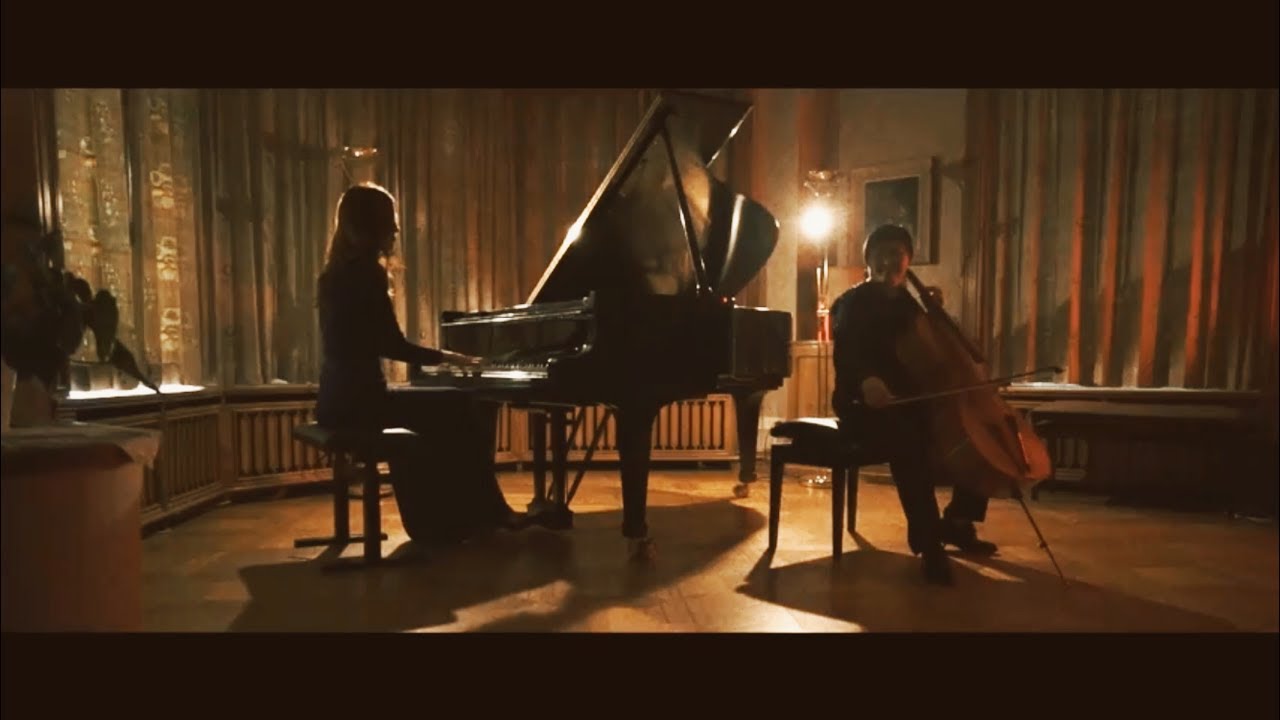
The aperitif often determines the mood of an event earlier than the decorations or the menu. Within the first few minutes, guests sense whether a reception feels stiff, generic, or exudes elegance and ease. That’s precisely why choosing the right music for the aperitif isn’t a minor detail, but a crucial element of the overall atmosphere.
A successful aperitif requires music that is present without being intrusive. It should encourage conversation, not overpower it. It should convey style without seeming cold. And it should suit the character of the event – whether it’s a wedding, a corporate reception, an upscale birthday celebration, or a private party with a select guest list.
What kind of music is really suitable for an aperitif?
The best background music for aperitifs is almost never the loudest, trendiest, or most flashy. It works when it enhances the atmosphere and allows guests to arrive comfortably. Especially at elegant events, background music isn’t just filler. It creates anticipation, warmth, and that subtle naturalness that makes an event feel sophisticated.
For a classic aperitif, genres and sounds that combine elegance with accessibility are particularly suitable. Stylish instrumental music, smooth jazz, bossa nova, select pop arrangements, recognizable film scores, and light classical pieces are very popular. This mix works so well because it feels familiar without being banal.
What matters is not just the genre, but also the interpretation. A well-known pop song can sound elegant and refined as a live arrangement for piano and cello. The same piece played through a speaker, however, can quickly sound like a standard playlist item. Conversely, purely classical music can be beautiful, but at a relaxed summer aperitif, it can also seem somewhat aloof if it’s too challenging. So it always depends on the context.
The occasion sets the pace
A wedding aperitif It usually calls for warmth, charm, and a touch of romance. Melodic pop ballads, delicate film scores, elegant jazz standards, and light classical music work particularly well here. The music can be emotional, but shouldn’t become so intimate that it disrupts conversation. Guests want to toast, congratulate, and mingle—the music accompanies these moments, it doesn’t replace them.
At a company aperitif The balance is slightly different here. The ambiance should be sophisticated, refined, and professional. Too much emotion can be inappropriate, as can too much energy. Subtle jazz, bossa nova, stylish instrumental versions of well-known songs, and modern classics with an international flair are all very fitting. The music should exude quality while still allowing space for networking.
A birthday aperitif or private reception often calls for a more personal touch. Here, the music selection can be more playful, individual, and even a bit bolder. If the hosts have a particular taste in music, this can be subtly incorporated – perhaps with selected soul tracks, French chansons, Italian-inspired melodies, or smooth lounge sounds. The crucial point is that the overall style remains sophisticated and doesn’t descend into randomness.
Live music or playlist?
This is a valid question, because both approaches can work – but not equally well. A playlist is practical, budget-friendly, and quick to organize. For small, informal gatherings, that might suffice. However, anyone wanting to create a truly sophisticated atmosphere will immediately notice the difference.
Live music reacts to the space. It breathes with the moment, picks up the pace of the guests, and creates an atmosphere that loudspeakers can hardly achieve. This quality is particularly valuable during aperitifs, because the event is still setting up. People are arriving, greeting each other, and getting their bearings. Live music feels sophisticated, inviting, and effortlessly elegant in this context.
A duo of piano and cello is particularly well-suited to this setting. The sound is refined, mellow, and sophisticated without being overpowering. Familiar melodies gain depth and class, classical works sound light and modern, and pop, jazz, or film music can also be tastefully interpreted in this format. For larger receptions or spacious venues, an expanded ensemble with additional musicians can further enhance the performance’s presence.
What kind of music is suitable for an aperitif, depending on the time of day and location?
Not every aperitif requires the same musical style. A reception in a historic hall, on a lakeside terrace in Zurich, or in the garden of a villa calls for different nuances. The location influences how music is perceived.
Light arrangements work particularly well in bright, open spaces with plenty of natural light. Bossa nova, acoustic pop, subtle jazz, and transparent classical pieces often fit perfectly here. The music can be airy, with rhythmic elegance, but without any pressure.
In exclusive interiors with a subdued atmosphere, the sound can be richer and more luxurious. Romantic film scores, stylish ballads, finely arranged classical pieces, and elegant jazz standards work exceptionally well here. The room carries the music more strongly, so it should be used judiciously.
At outdoor aperitifs, restraint is particularly important. Wind, voices, and the surroundings already create movement. Music should therefore be clear, melodic, and not too delicate, otherwise it will get lost. Instruments with a warm, resonant timbre are an advantage here.
The time of day also plays a role. An afternoon aperitif can have a fresher, brighter sound. In the early evening, the music can become a bit more sensual and sophisticated. Later, as the occasion transitions from a reception to a dinner or celebration, the repertoire can gradually take on more energy.
The most common mistakes with aperitif music
Many poor decisions don’t stem from bad taste, but from a lack of coordination. A common mistake is playing music that’s too loud. What initially seems festive quickly becomes tiresome when guests have to raise their voices. Aperitif music should facilitate conversation, not hinder it.
Equally problematic is an overly heterogeneous selection. If a quiet jazz piece is suddenly followed by a club track, or a film score by an aggressive rock song, the event loses its focus. Stylish events thrive on coherence. The music can vary, but it needs a consistent style.
Another issue is the wrong level of emotional intensity. Highly dramatic music can be beautiful, but it can also be overwhelming for a reception. Conversely, purely functional background music often sounds generic. The ideal lies somewhere in between: emotional enough to create atmosphere, yet understated enough to allow guests freedom.
This creates a coherent musical concept.
If you’re wondering what music is right for an aperitif, don’t think about specific songs first, but rather about the overall effect. Do you want the reception to feel elegant and international? Romantic and mellow? Modern, yet classically inspired? Relaxed, yet sophisticated? This question is often more helpful than searching for individual tracks.
After that, it’s worth coordinating three aspects: the occasion, the guest demographics, and the venue. A young wedding audience reacts differently than a mixed corporate event with clients, management, and international guests. A family birthday requires a different approach than a formal reception. Good music planning is therefore never arbitrary—it’s always curated.
Ideally, the repertoire should combine familiarity with sophistication. Guests enjoy melodies they recognize, but they also appreciate a sophisticated presentation. This is precisely the strength of high-quality live music: it makes the familiar special and lends the occasion its own unique character.
When elegance is to be felt
A stylish aperitif thrives on the nuances. From the first glance into the room, the sound of a toast, the natural ease with which everything comes together. Music is not merely a decorative addition, but one of the most powerful mood-setters of all.
Those who value quality should therefore not only ask which songs might be appealing, but also what kind of atmosphere they want to create. A carefully selected live program with piano and cello, complemented by tasteful arrangements of classical, pop, jazz, or film music, creates precisely this atmosphere – first-class, elegant, and approachable all at once. SwissDuo PianoCello crafts such moments with musical precision and stylish presence for occasions that should be remembered.
If you want your aperitif to not just look good, but to be truly harmonious, the right choice often starts with the sound.