The moment before the entrance is quieter than many couples expect. Guests look ahead, a brief clearing of throats ripples through the room, then the music decides whether a wedding ceremony simply begins or whether it truly touches the heart. This is precisely why romantic instrumental music at a wedding is far more than just a beautiful backdrop. It sets the tone for what follows – solemn, elegant, and personal.
Anyone planning a stylish wedding isn’t simply looking for familiar melodies. They’re seeking a musical signature that conveys emotion without being intrusive. Instrumental live music achieves precisely this balance. It feels elegant, timeless, and versatile enough to tastefully accompany both classic ceremonies and modern celebrations.
Why romantic instrumental music works so well at weddings
Singing can be intense, but also very specific. Lyrics draw attention to the words, sometimes even to the voice itself. Instrumental music allows more space. It amplifies feelings without defining them, and thus often adapts more subtly to the mood of the moment.
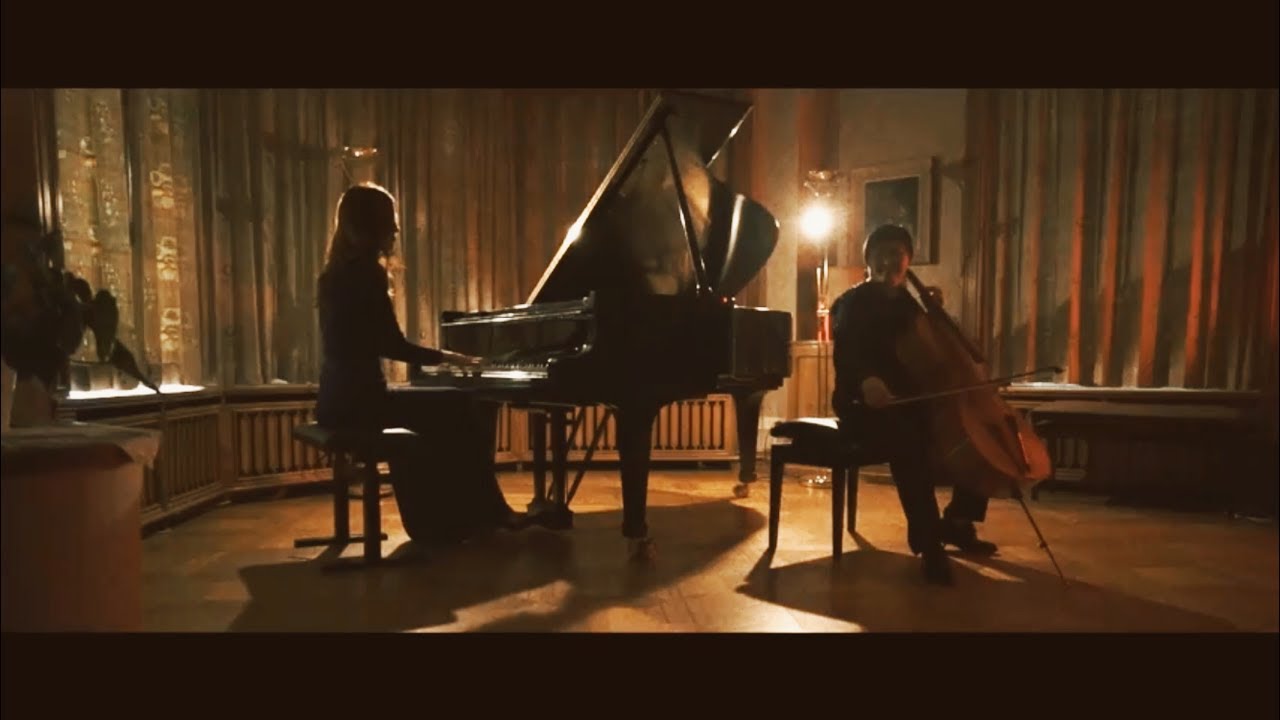
This is a great advantage, especially at weddings. During the entrance, the exchange of rings, or a quiet transition between two parts of the ceremony, music can be supportive without being overpowering.. piano and cello They make an exceptionally elegant combination. The piano provides structure and breadth, while the cello brings warmth, depth, and an almost human voice to the sound. Together, they create a soundscape that is romantic but never kitschy.
There’s also a practical aspect: instrumental arrangements offer great stylistic flexibility. A pop song can suddenly sound celebratory and sophisticated when artfully arranged for a live ensemble. At the same time, classical pieces retain their dignity. This is often ideal for couples who love familiar music but don’t want a banal effect. the most beautiful solution.
Romantic instrumental music for a wedding – which moments truly matter?
Many people think of the entrance first. That’s understandable, as this moment is often the most memorable. But the musical drama of a wedding unfolds over several stages. If only one song is carefully chosen and the rest seems random, much of the atmosphere is lost.
The processional It calls for a melody with tranquility, a sense of arc, and emotional clarity. Pieces that are too slow can make the moment feel heavy, while overly dramatic arrangements can quickly become overwhelming. Ideally, the music should blend naturally with walking and elegantly open up the space.
During the ceremony itself, shorter musical interludes are often needed. This could be a gentle interlude after a reading, subtle accompaniment to the ritual, or a touching transition before the vows. This is where experienced live musicians truly shine. They interpret the moment, maintain tension, and modulate expression with great sensitivity.
The recessional can be more radiant. After the emotional intensity of the wedding ceremony, there is often a desire for lightness, joy, and sparkle. Romantic doesn’t necessarily have to mean subdued. A bright, lively theme can be festive and very stylish at the same time.
The role of music changes, at the latest, during the aperitif. Now it’s no longer about individual highlights, but about creating a pleasant atmosphere over a longer period. The best choice then is a repertoire that flows elegantly: familiar melodies, film themes, jazz standards, bossa nova, or finely arranged pop songs. The music should enhance the conversation, not overpower it.
Classic, modern, or both?
The most beautiful answer is usually: both, but with a delicate touch. Purely classical programs can be magnificent, especially in churches, historic halls, or very formal settings. At the same time, many couples want pieces that reflect their own story. This is precisely where the quality of well-curated wedding music lies.
A modern song isn’t automatically a good fit just because it’s personally important. What matters is whether it works instrumentally and retains its impact with the chosen instrumentation. Some songs thrive on rhythm, production, or a distinctive voice. Others unfold a new, surprisingly refined beauty precisely without vocals.
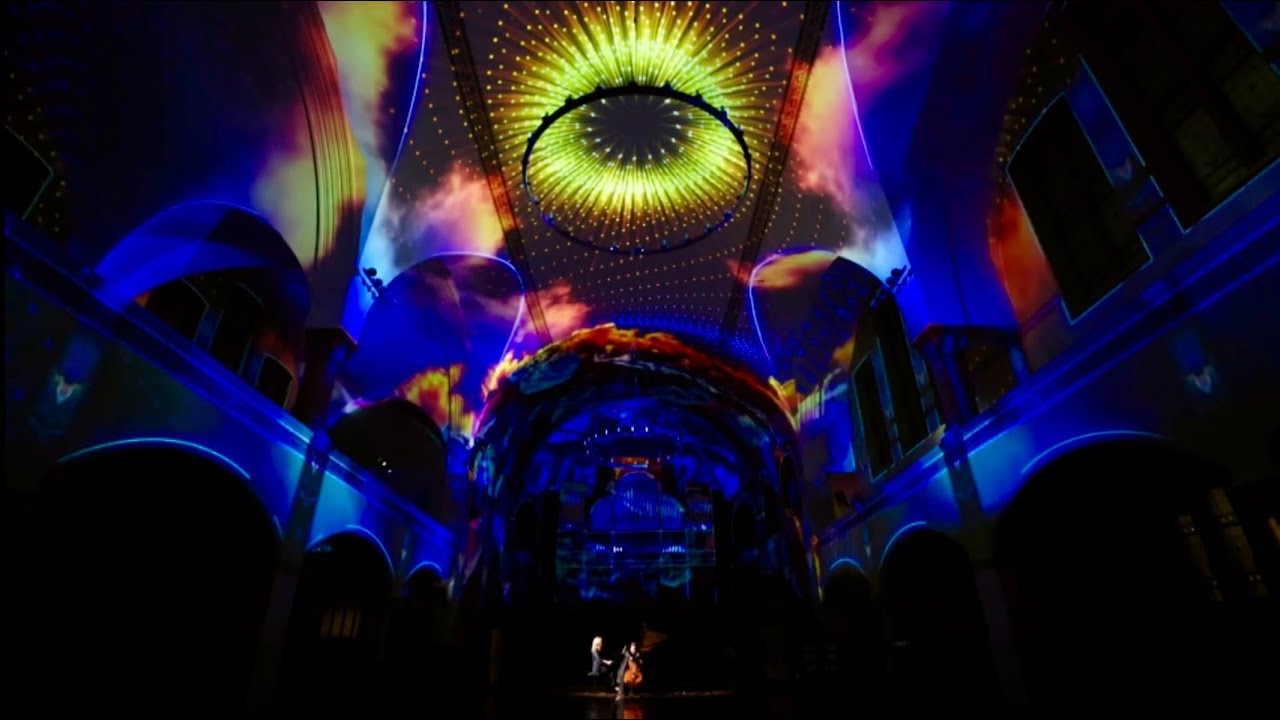
The setting also plays a role. In an intimate, outdoor wedding ceremony, the music selection can often be more personal and lighter. In a church or a prestigious hotel, a program has a greater impact if it conveys a certain elegance and formal tranquility. Stylish doesn’t mean rigid. It means that the music, the location, and the occasion complement each other.
Which cast creates the most elegant atmosphere?
For romantic wedding music, not only the piece itself is crucial, but also the instrument. A solo piano can sound very delicate and elegant, especially in smaller venues or at more intimate ceremonies. It offers clarity and a natural, festive character.
A duo of piano and cello usually creates even more depth. The cello lends familiar melodies warmth and expression without losing their intimate character. This combination is exceptionally effective, especially in emotional moments, because it creates both closeness and grandeur.
For those seeking a fuller sound for large rooms, expansive gardens, or exclusive receptions, a trio or quartet might be worth considering. More musicians bring greater richness and color, but also require carefully planned acoustics and placement. More isn’t always automatically better. Sometimes true excellence lies precisely in reduction.
How to choose the right repertoire
Choosing the best music doesn’t start with a long playlist, but with three questions: What kind of atmosphere do you want for your wedding ceremony? What music accompanies your story together? And what kind of atmosphere do you want for your guests? Those who can answer these questions clearly will make significantly better musical choices.
A common mistake is trying to please everyone. This results in a program of favorite songs, church classics, chart ballads, and party tracks played in rapid succession. What’s missing is a cohesive theme. A high-quality wedding, however, thrives on a harmonious overall effect.
A curated mix of one or two very personal pieces and several tracks that primarily impress with their atmosphere is ideal. This ensures the music remains individual without becoming generic. Professional ensembles offer guidance not only musically, but also dramatically. They know which pieces resonate in the space, which tempos work well for an entrance, and which tracks remain elegantly understated during a reception.
Live music or playlist?
A playlist is practical and, at first glance, cheaper. For certain parts of the program, it can suffice. But especially at a wedding, it quickly becomes apparent how big the difference is between pre-recorded music and a live, spontaneous moment.
Live music breathes with the occasion. The tempo can be adjusted, transitions feel organic, and emotional nuances arise from direct interaction with the space, the audience, and the flow of the performance. If an entrance is delayed by a few seconds or a speech unexpectedly runs longer, a professional ensemble reacts seamlessly. A recording cannot do that.
Added to this is their visible presence. Stylish musicians shape the overall impression of an event. They are not merely a source of sound, but an integral part of the performance. For couples and hosts with high standards, this is often crucial: music should not only be present, but should exude sophistication.
What truly makes high-quality wedding music
Not every beautiful musician or talented ensemble is automatically the right choice for a wedding. Crucial factors are experience with events, a broad repertoire, professional communication, and the ability to adapt to the occasion. A wedding ceremony is not a concert hall or a background job. It demands precision, empathy, and reliability.
High-quality ensembles work with clear agreements, advise on the choice of piece, and think beyond the individual performance. They understand the dynamics of the ceremony, the aperitif, and the reception. They also know when restraint is more effective than grand pathos.
For sophisticated celebrations in Switzerland, this combination of musical excellence and event-related experience is particularly valuable. This is precisely the strength of a professional live ensemble like SwissDuo PianoCello: first-class musicians, a stylish presence, and a repertoire that blends classical class with popular modern melodies.
The most common mistake when choosing romantic instrumental music for a wedding
It’s too late to think about it. Music is often only planned for weddings after the location, flowers, and menu have already been decided. Yet it significantly shapes the emotional experience of the entire day.
The earlier the musical arrangements are included in the planning, the more harmonious the result will be. This allows you to not only book a beautiful song, but also develop a well-thought-out musical framework for the entire event. And that’s precisely where the atmosphere is created that guests will associate with your celebration for a long time to come.
If romantic instrumental music is to truly enhance a wedding, it shouldn’t be a mere checklist item, but rather a conscious choice for elegance, emotion, and quality. The right sounds don’t just make a great moment bigger—they make it truly unforgettable.